OEM/ODM & Private Label · Toys & Small Electronics
Home / Capabilities / Plastic Injection Molding
TOYS & SMALL ELECTRONICS
Injection molding supports toy components and accessories, alongside housings, buttons and other plastic parts for small electronics.
KingDa coordinates mold preparation, material and color references, molding trials and production checks. The part geometry, appearance and assembly requirements define what needs to be reviewed.

KingDa factory video
28
50–500 T
2M+
10,000 m²
Since 2011
100–200
Machine allocation and the production plan are confirmed for the part, mold and order requirements.
Use the part requirements to define the trial reference and the checks needed before production.
Bring: Drawings, dimensions or an existing sample.
Confirm: Key dimensions, wall features and acceptable gate or parting-line positions.
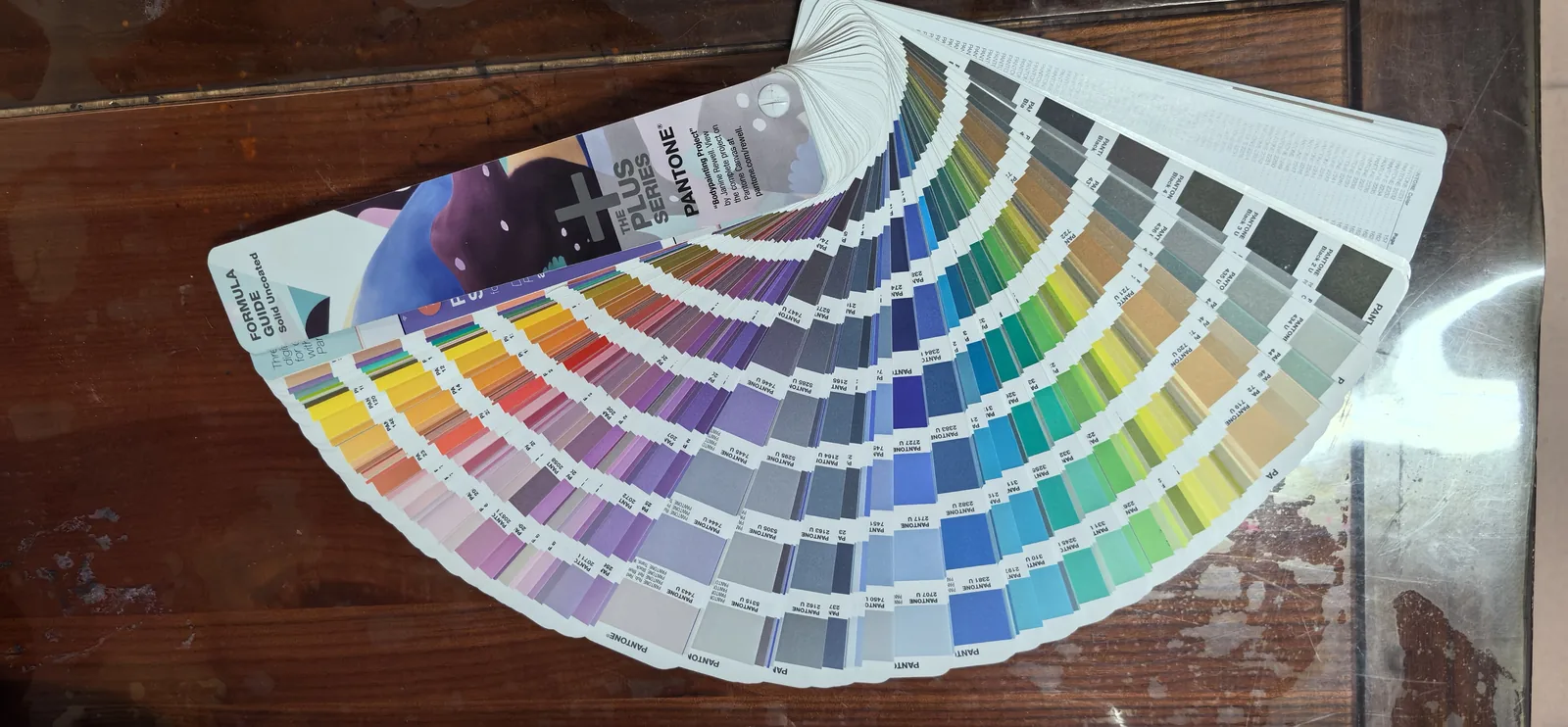
Bring: A specified resin, color sample or requirements to review.
Confirm: The material and color reference for the trial and production batch.
Bring: Appearance references and visible-surface requirements.
Confirm: Visible faces, finish references and any printing or decoration requirements.
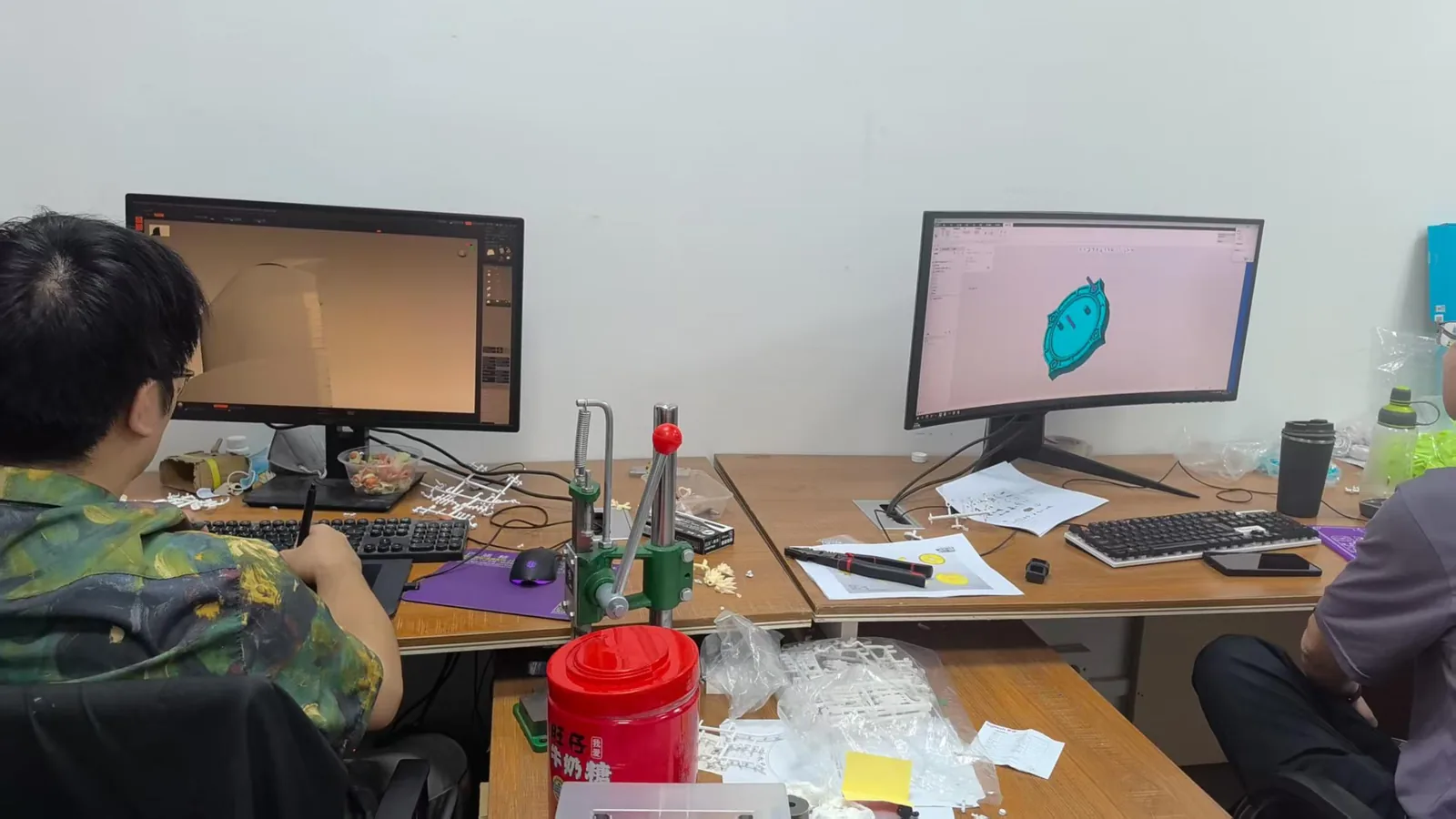
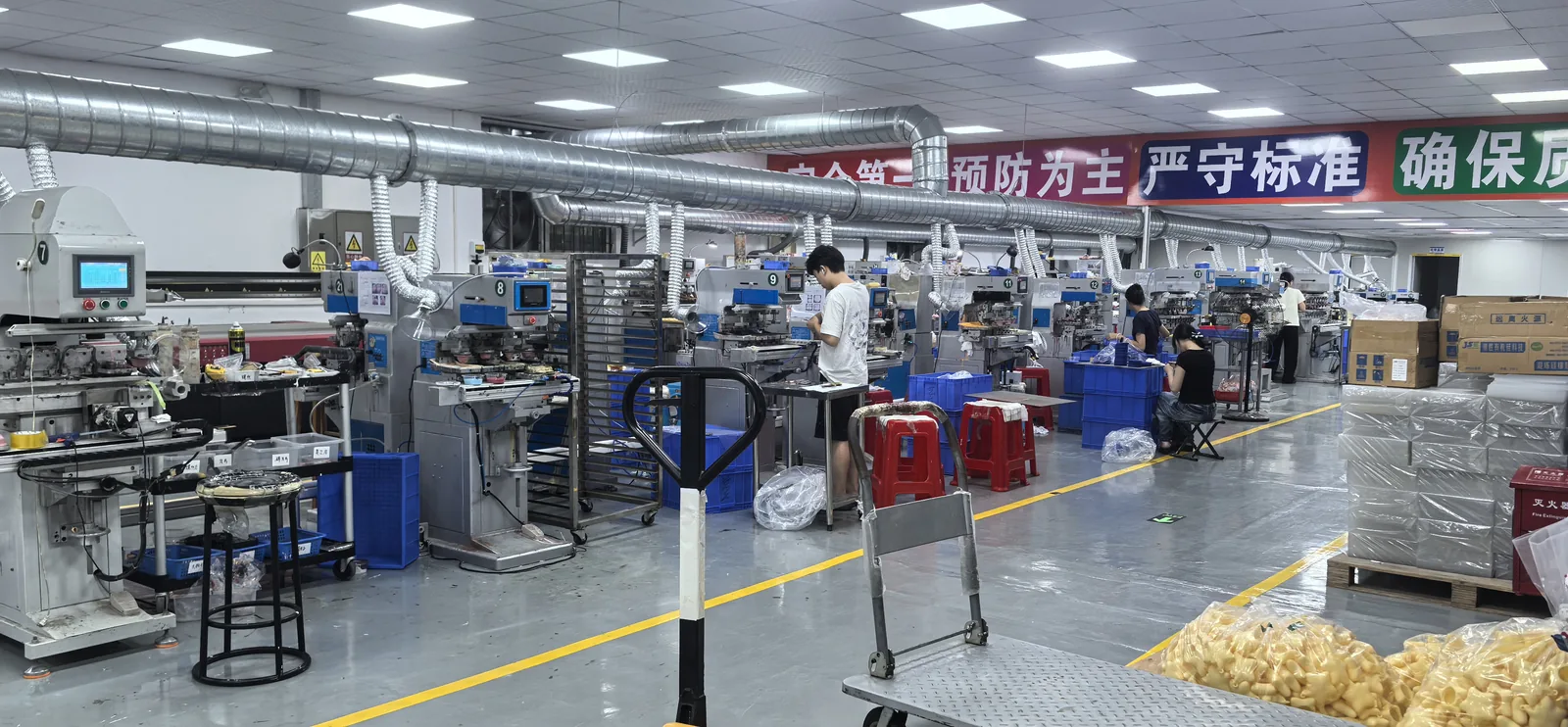
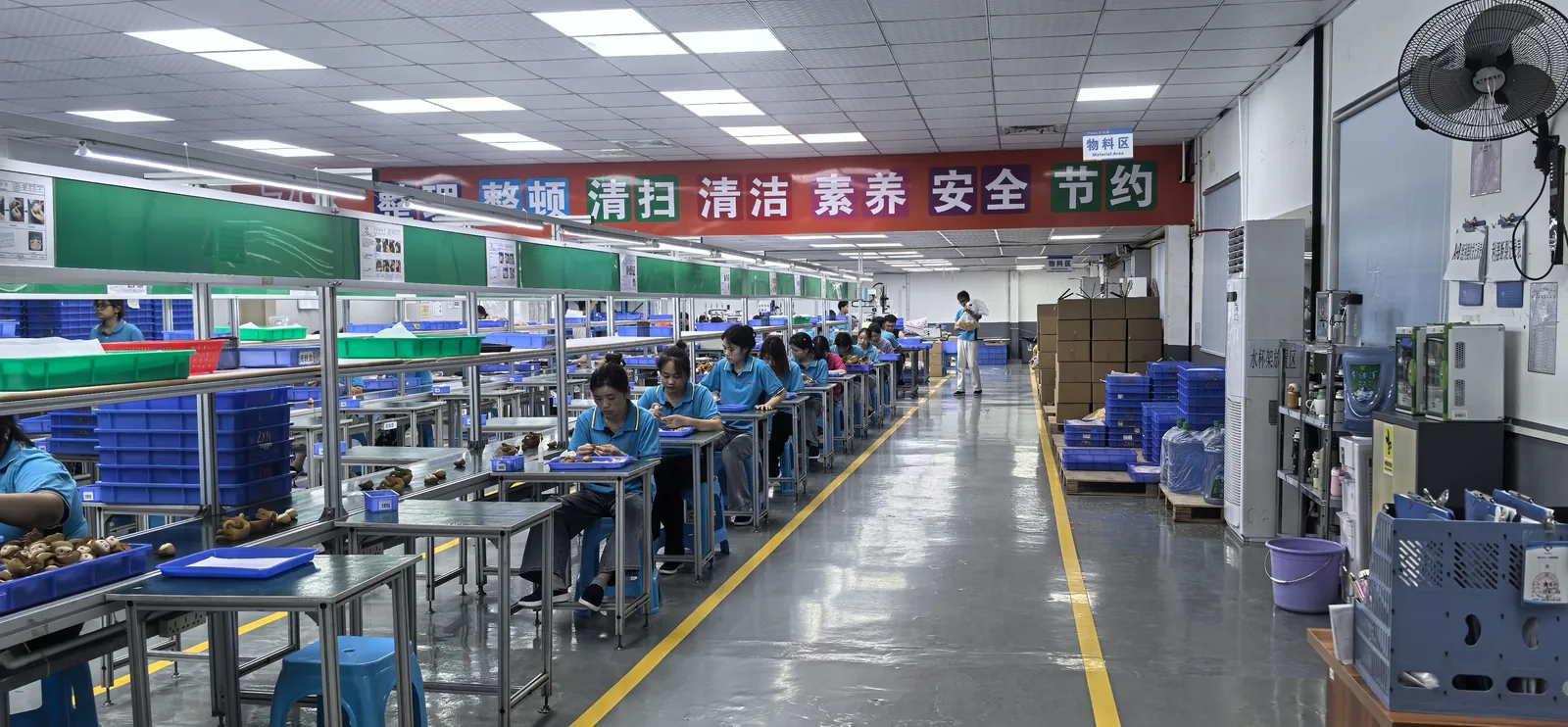
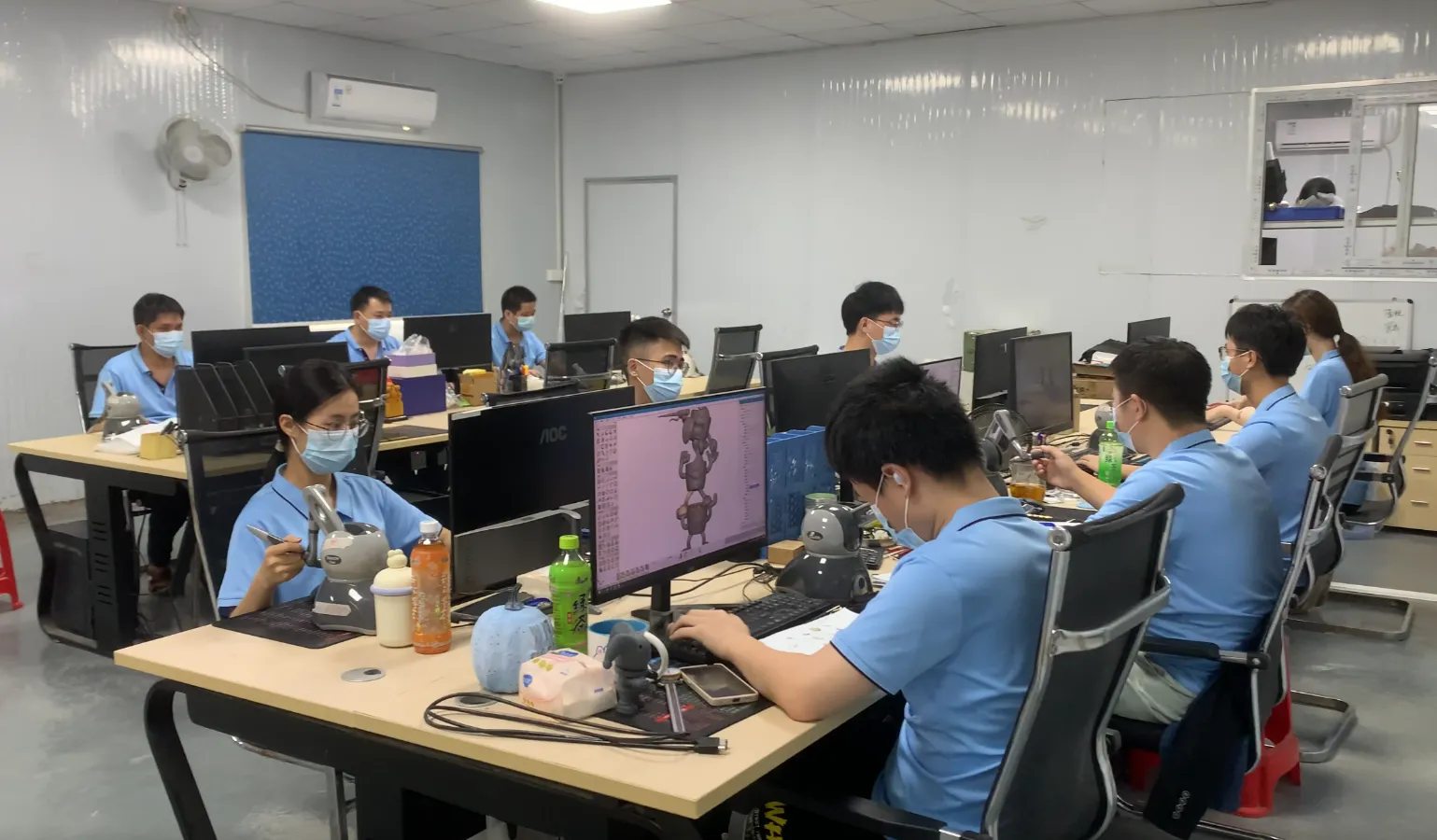
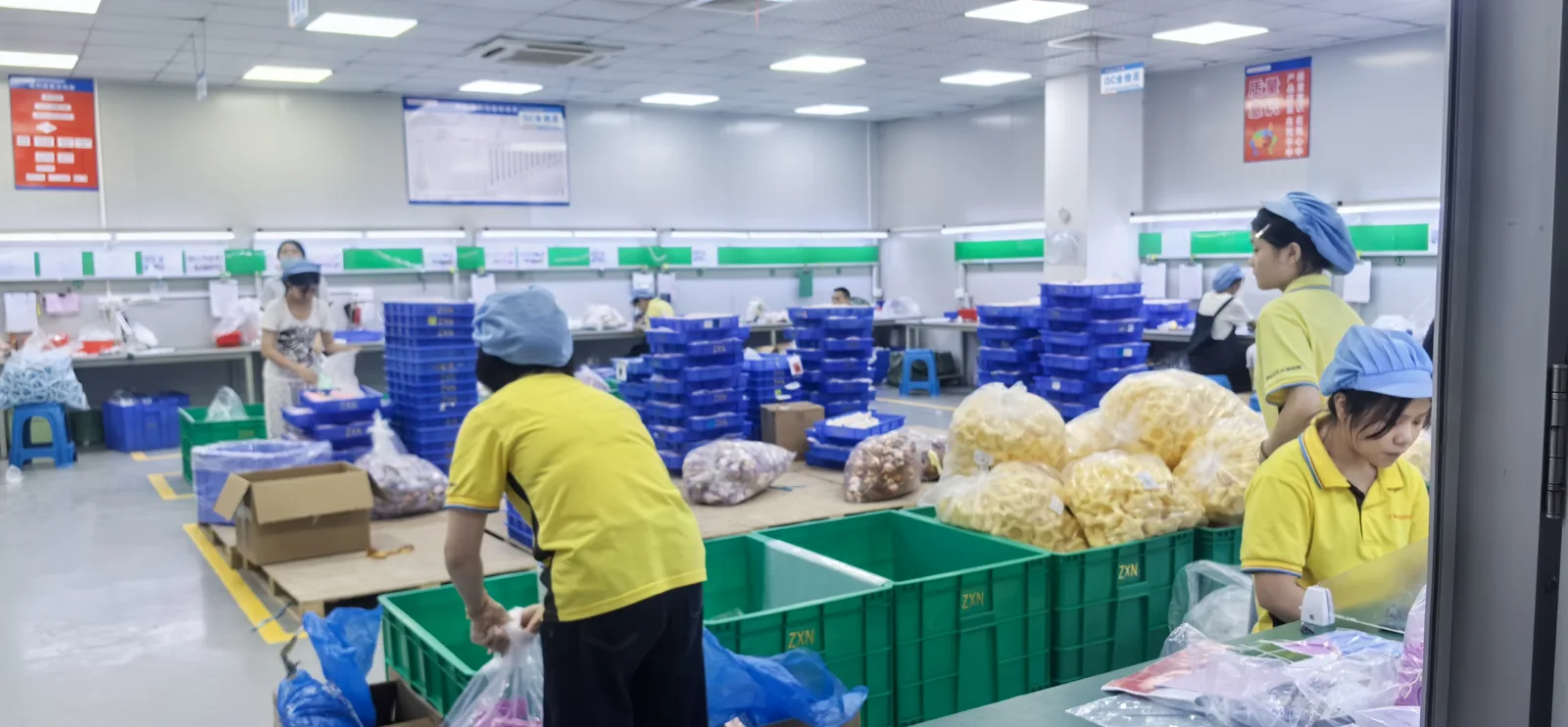
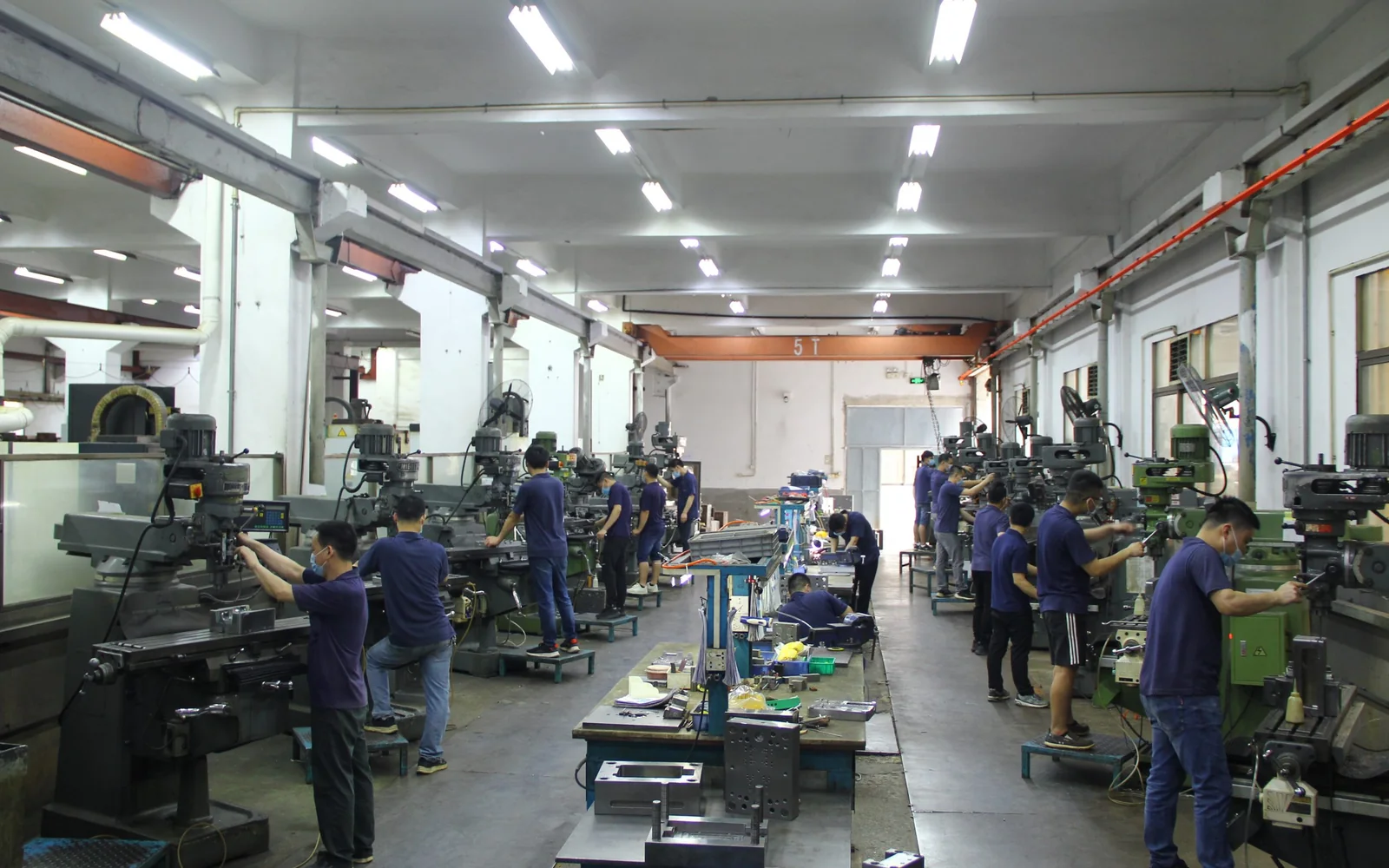
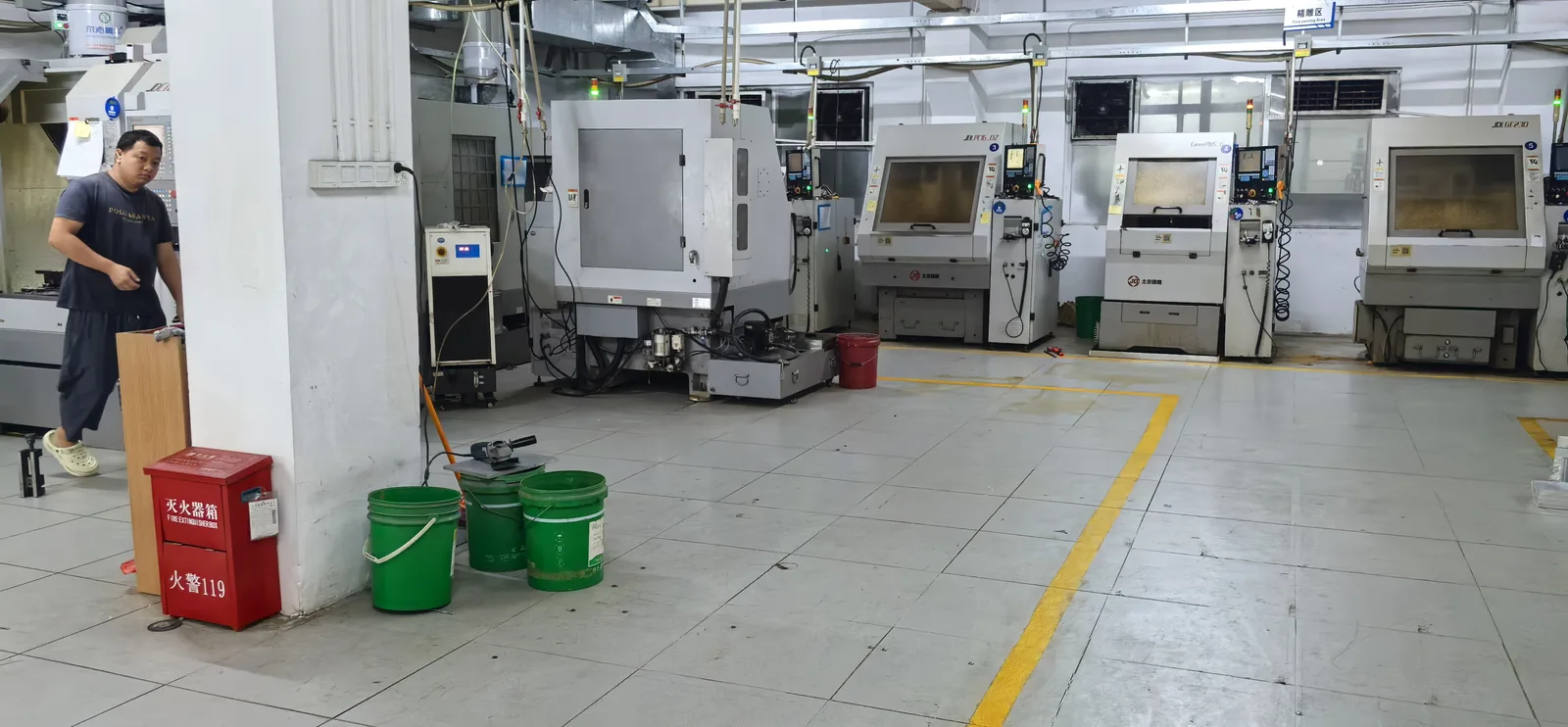
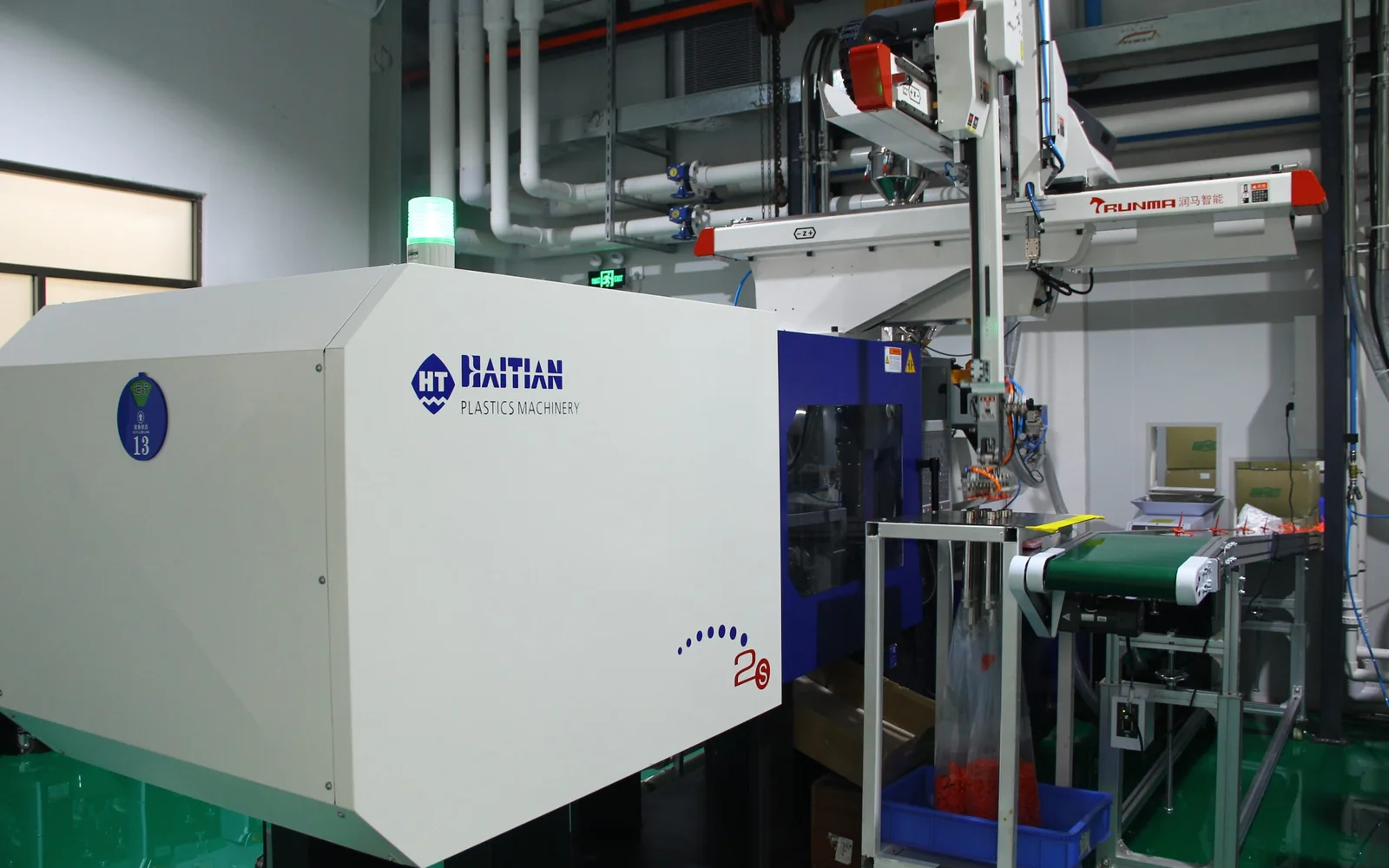
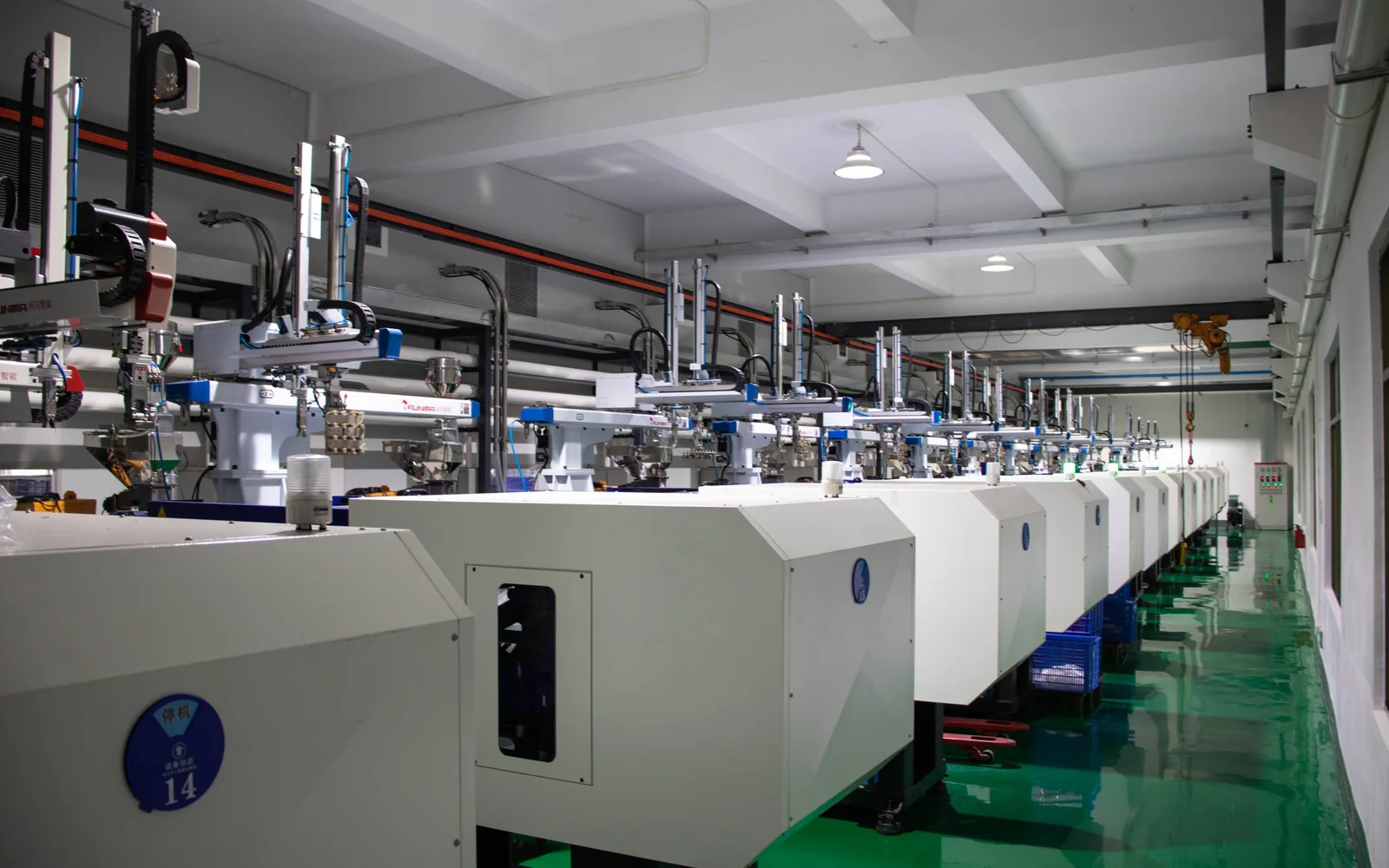
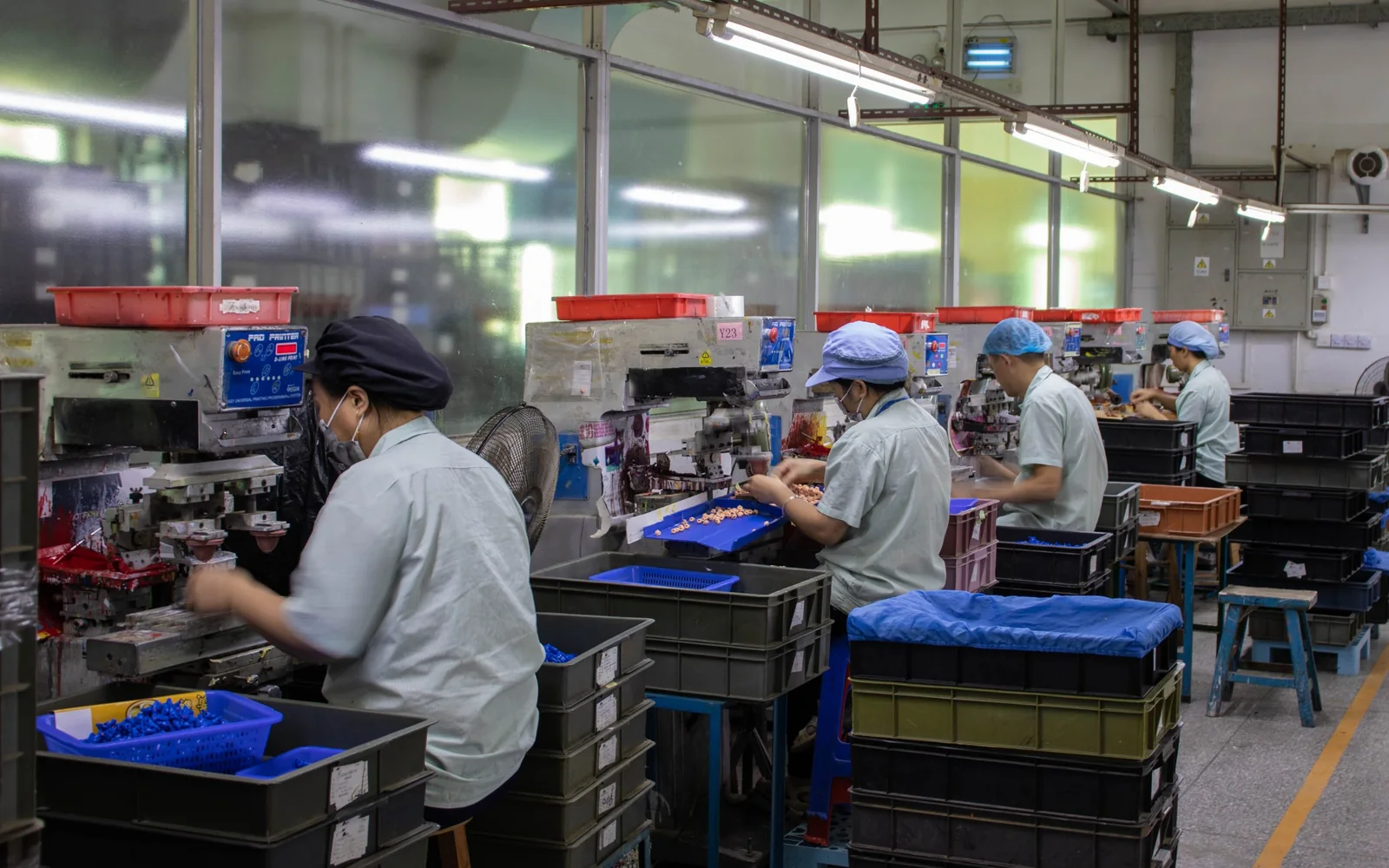
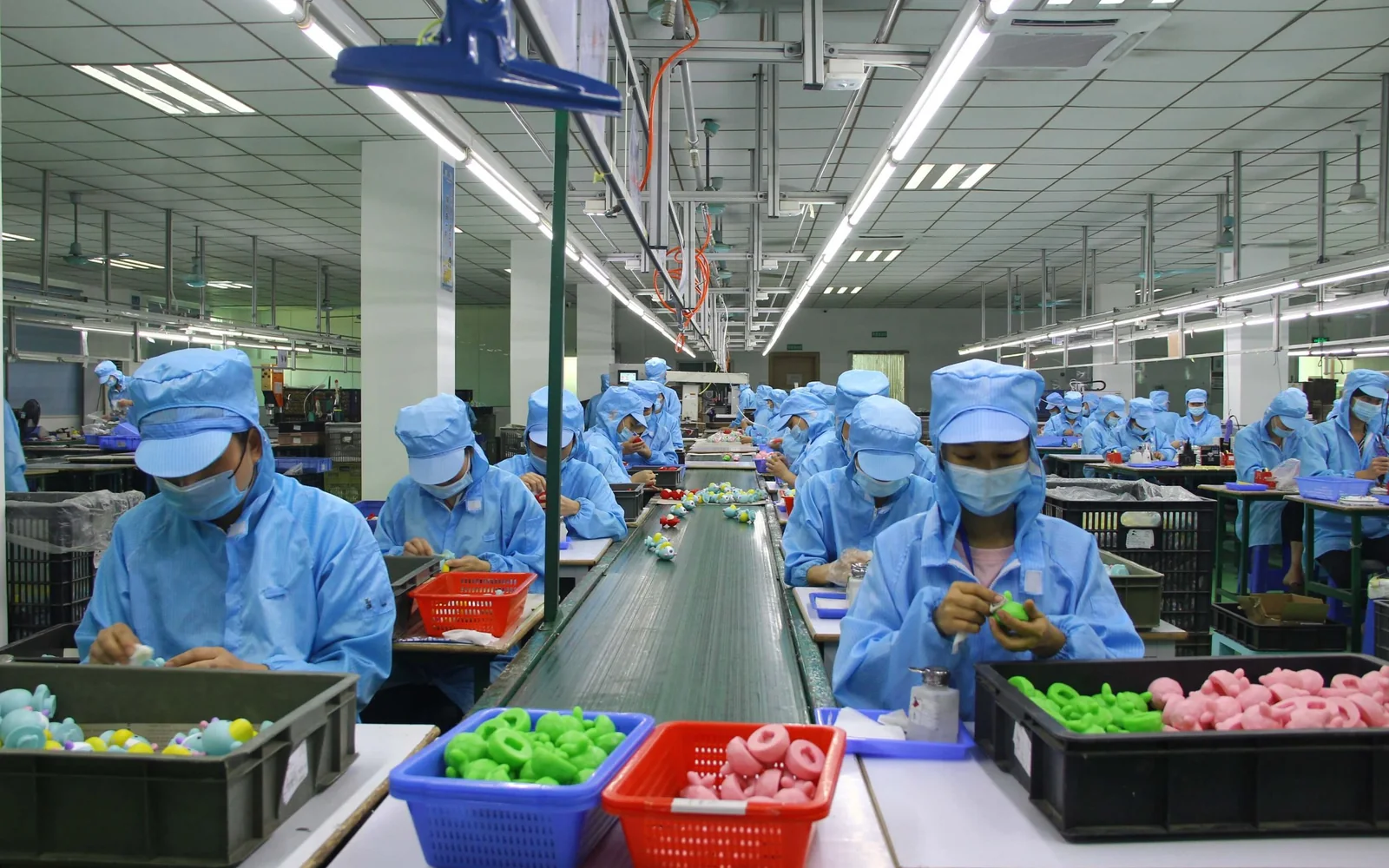
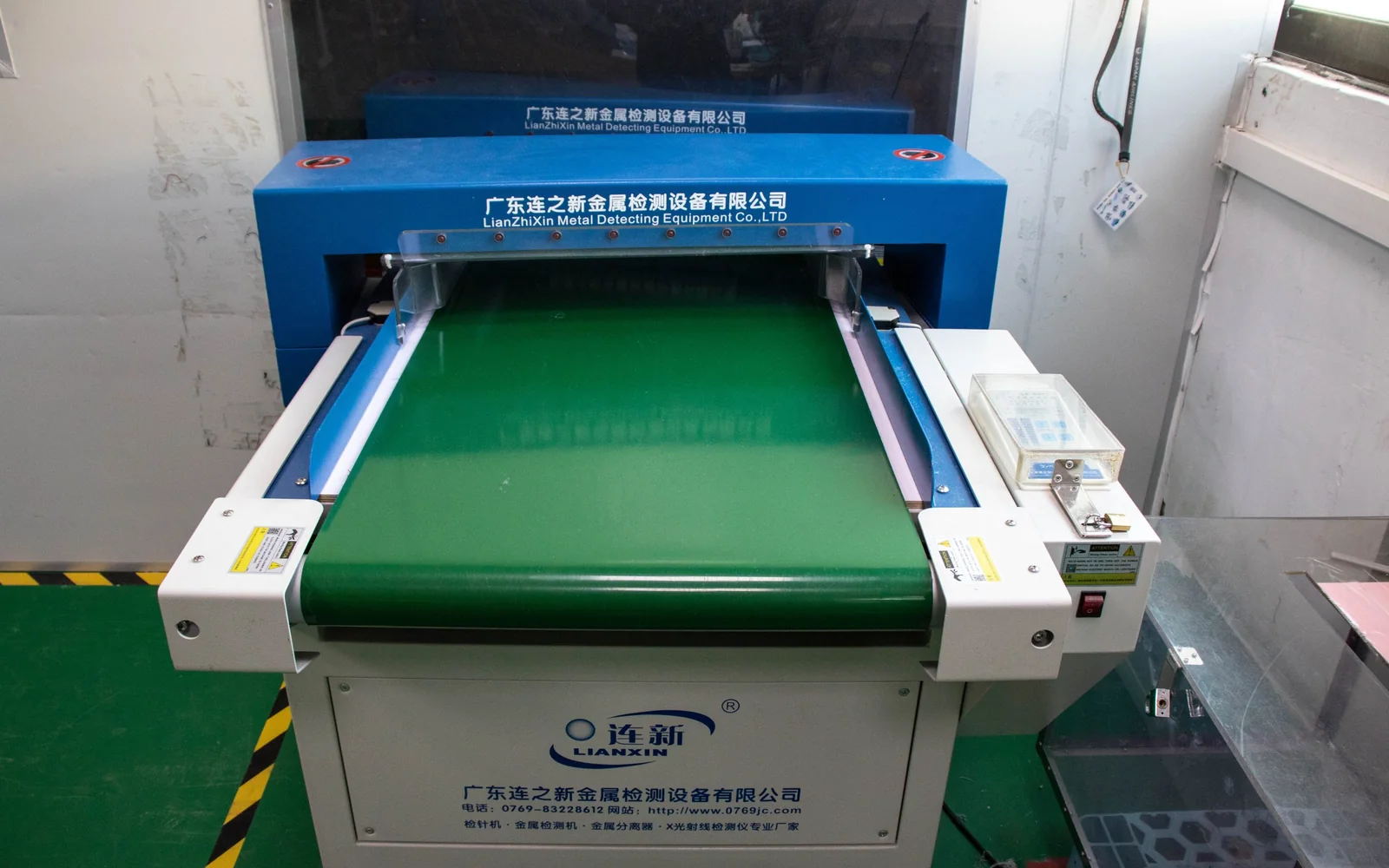
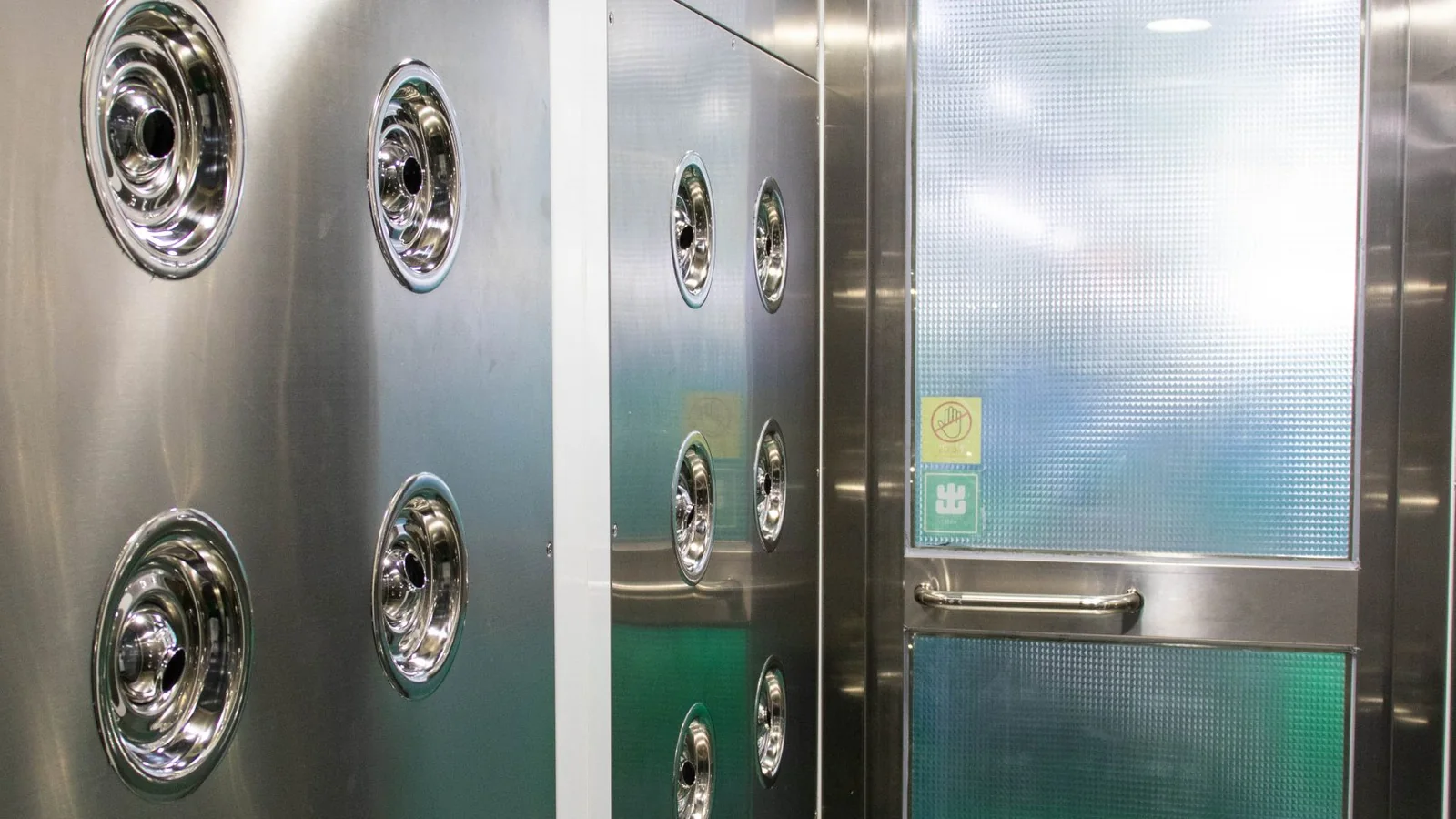
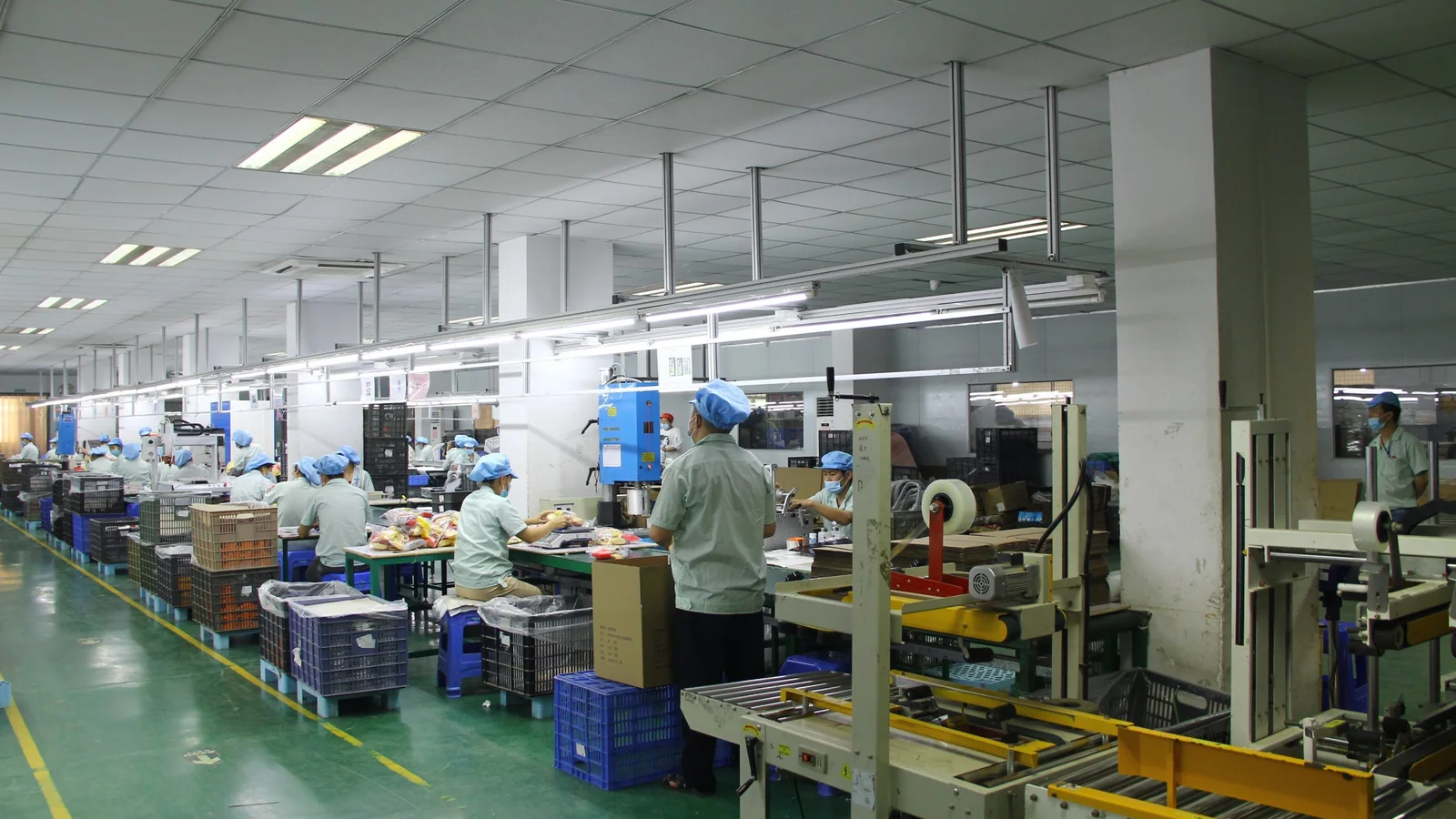
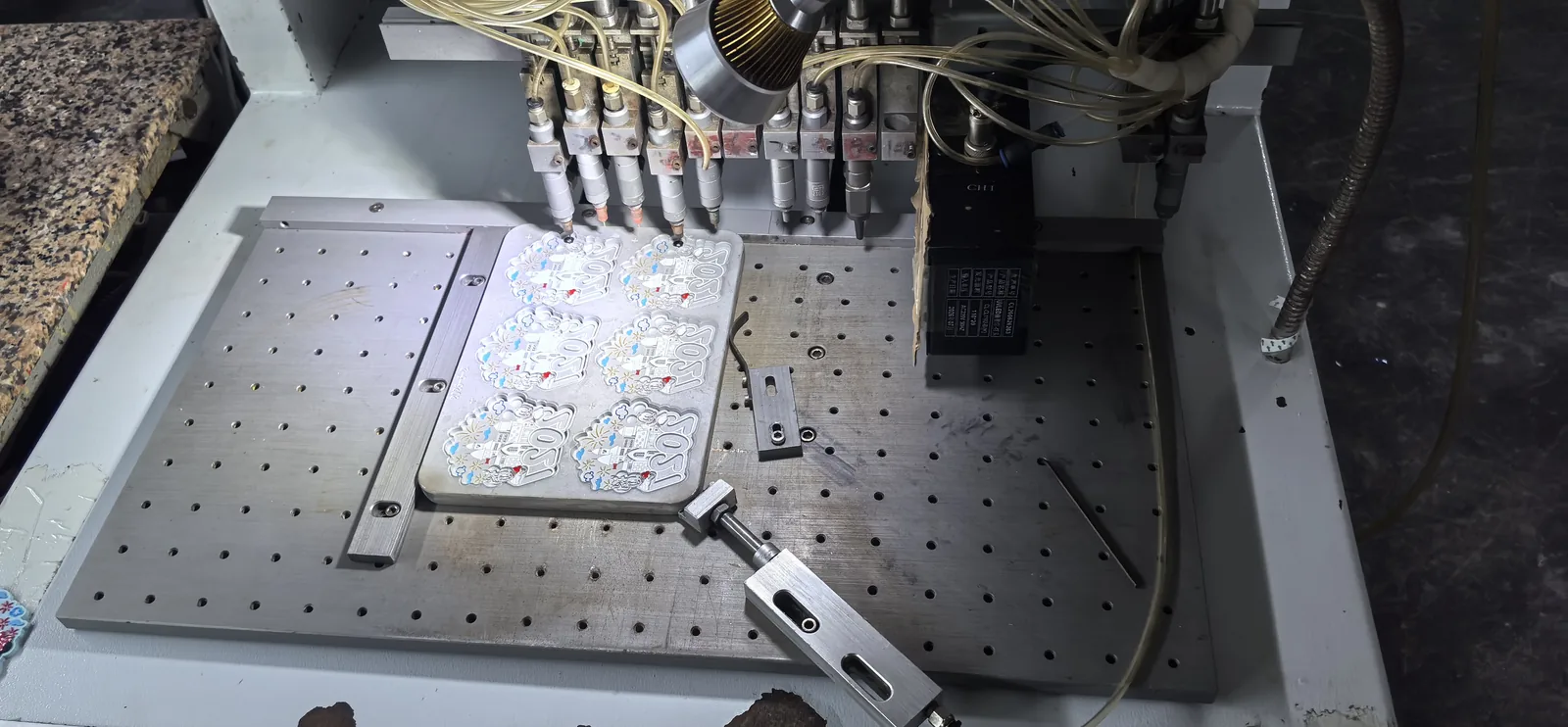
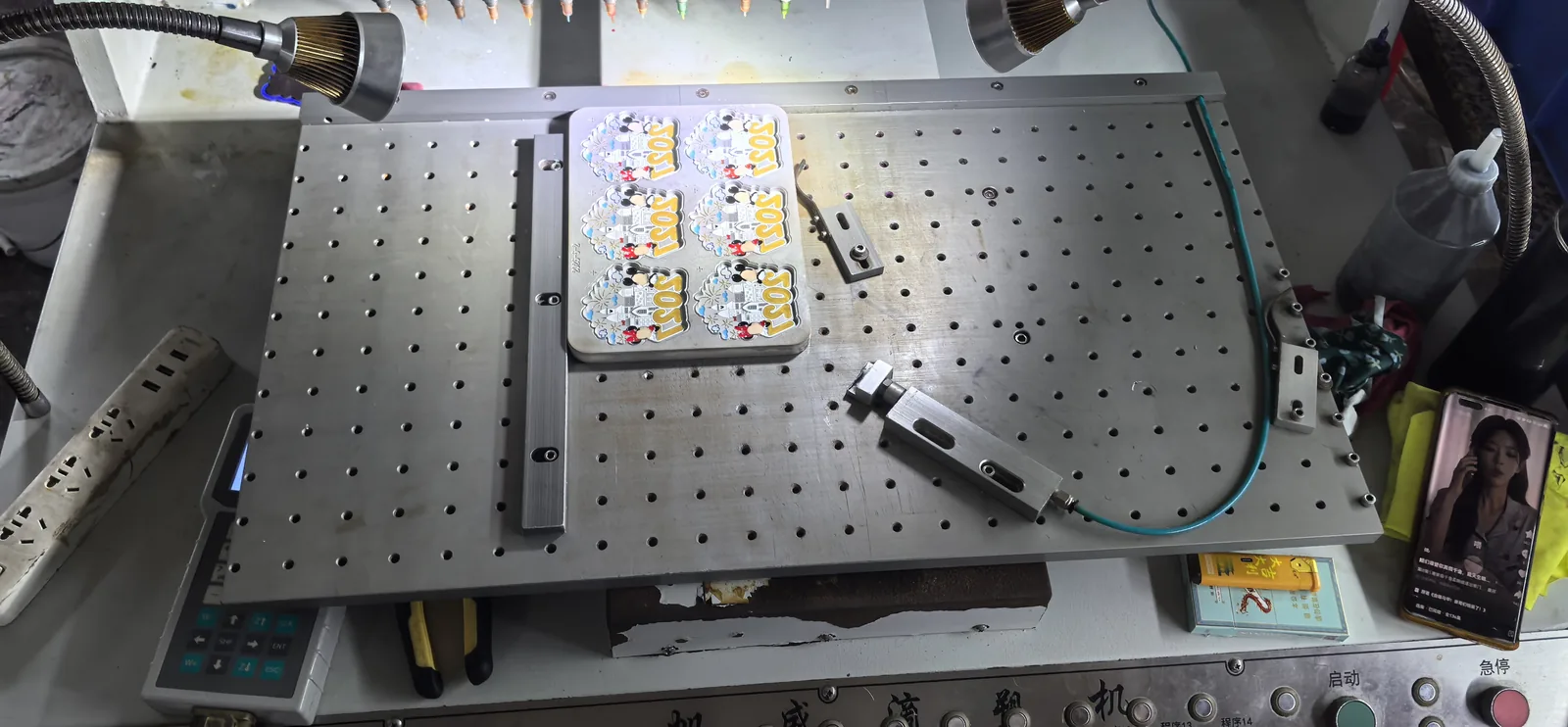
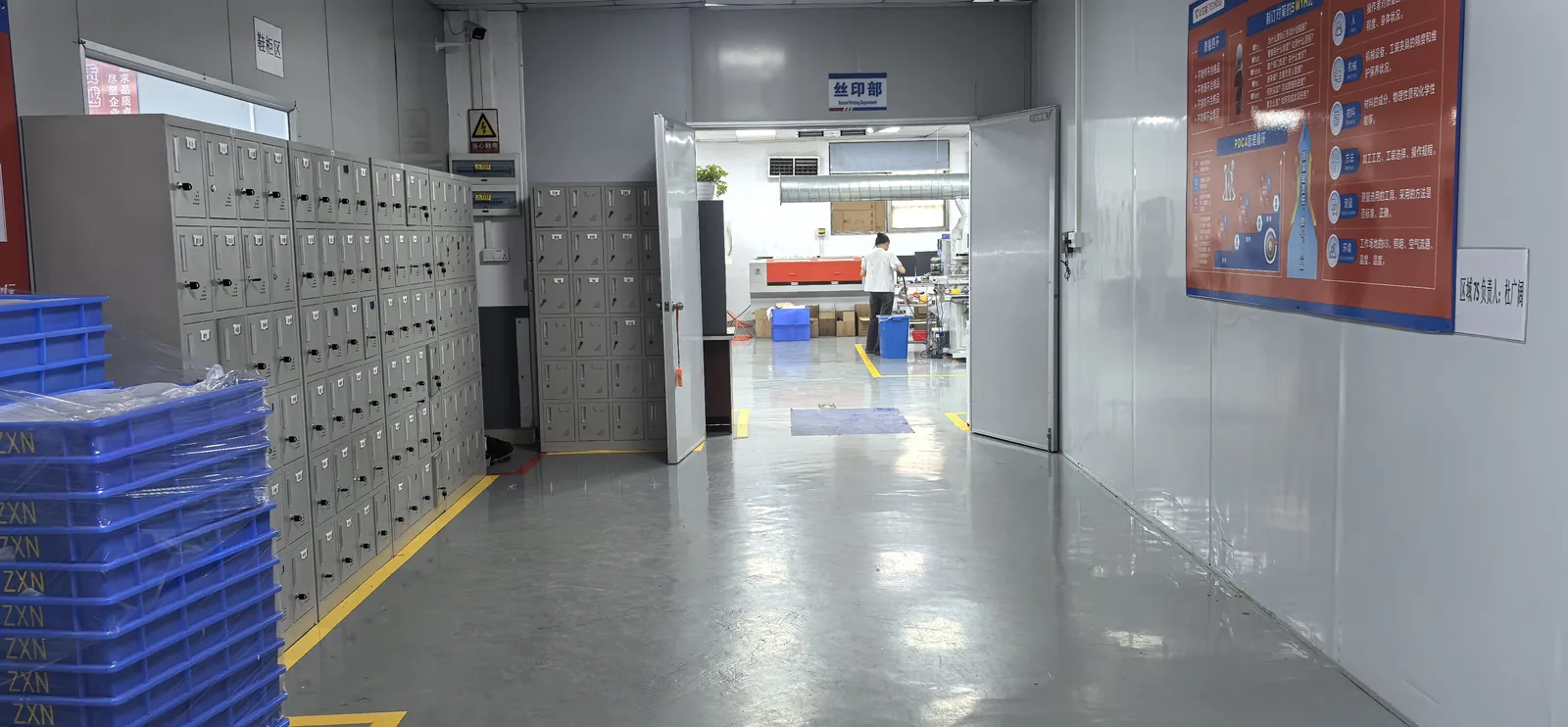
Trial observations are reviewed before the production reference is agreed. The gallery shows tooling, molding and related factory work areas.
01
Review the tool condition, specified material and setup requirements for the molding trial.
02
Check the trial parts for appearance, agreed dimensions and fit. Identify changes needed before approval.
03
Agree the sample, material, color and inspection criteria before the production run.
04
Run against the confirmed reference and check parts at the agreed points during production.
For parts requiring decoration, agree the artwork, placement and color reference before reviewing a decorated sample. Coordinate component handling around the approved next stage.
Share the information you have. We review the part requirements and identify what needs clarification before tooling or production planning.
Identify the body sections, accessories, appearance references and any assembly or movement requirements.
Identify the enclosure, buttons, mounting features and interfaces needed for the intended assembly.
Review the structure and prototype requirements before committing to the tool.
Connect part acceptance with the agreed checks and destination-market requirements.
Confirm packing details and the information needed for finished-goods handover.