OEM/ODM & Private Label · Toys & Small Electronics

Sustainability & Responsible Manufacturing

PLASTIC SCRAP GRINDING & APPROVED REUSE

Turning Selected Plastic Scrap Into Regrind

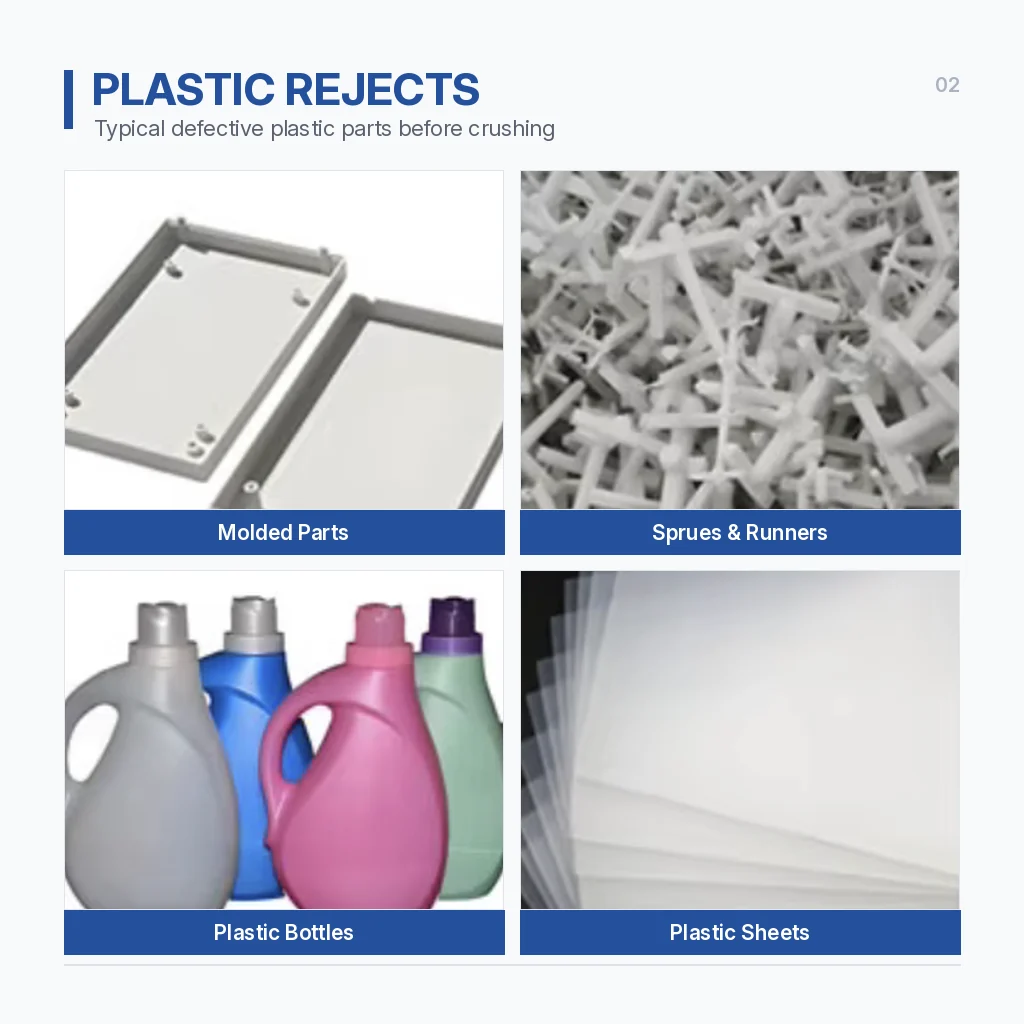
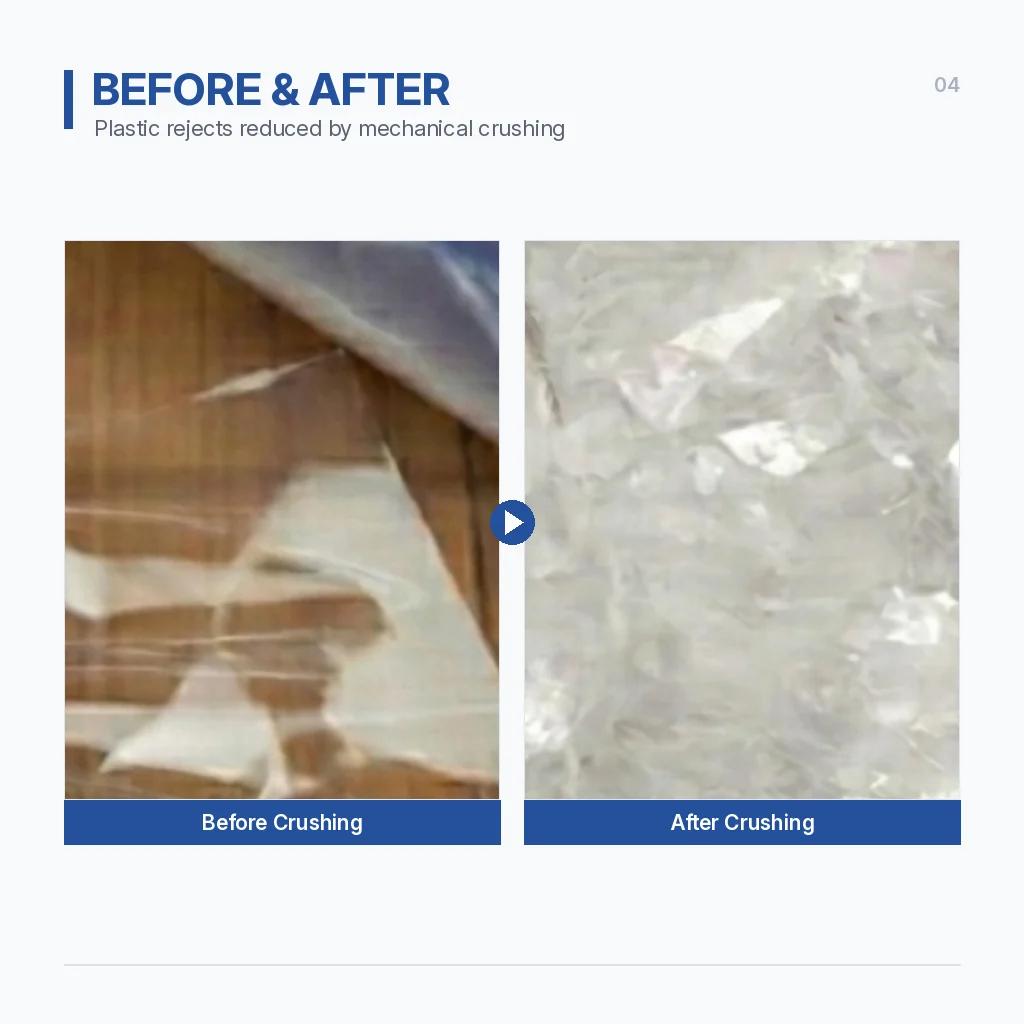
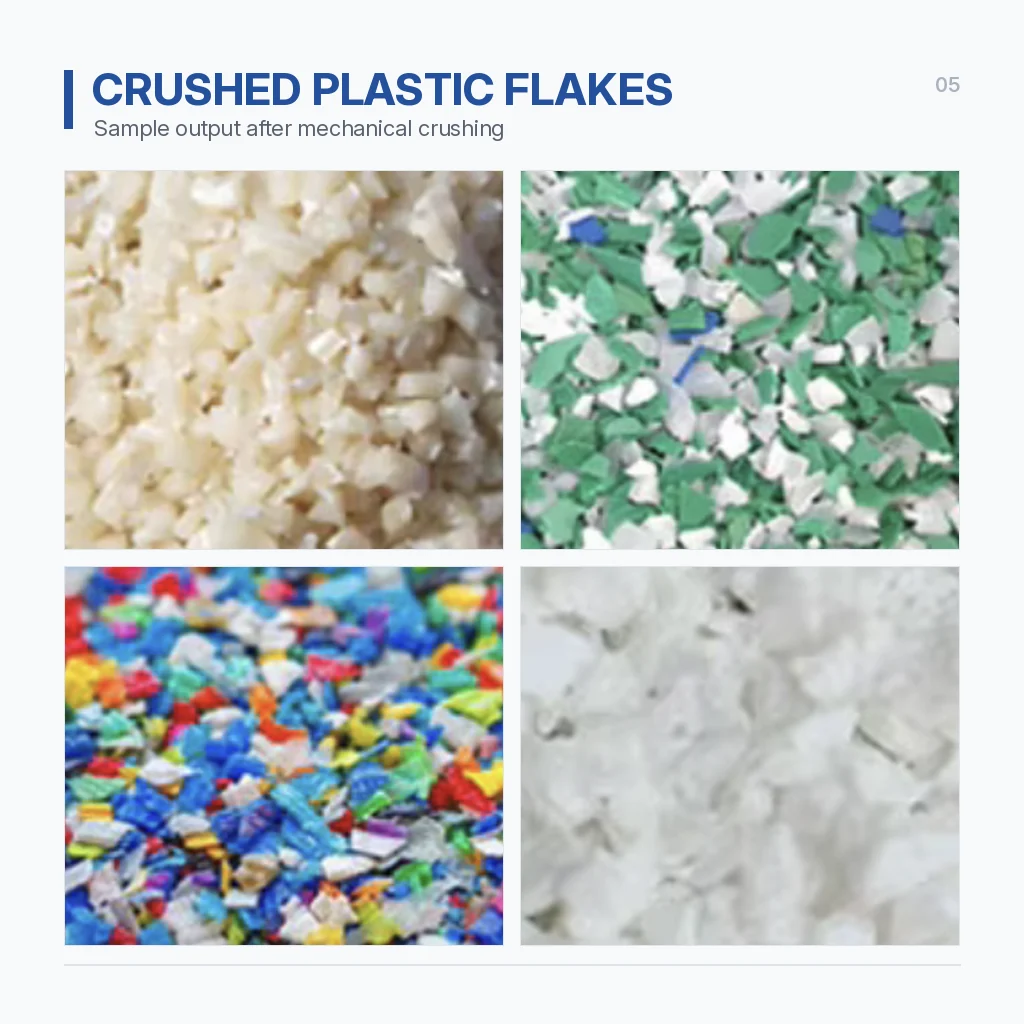
Plastic rejects and sprues/runners from production can be mechanically ground into smaller pieces known as regrind.

At KingDa, this material is reused only when it meets the project requirements and its use has been confirmed for the order.

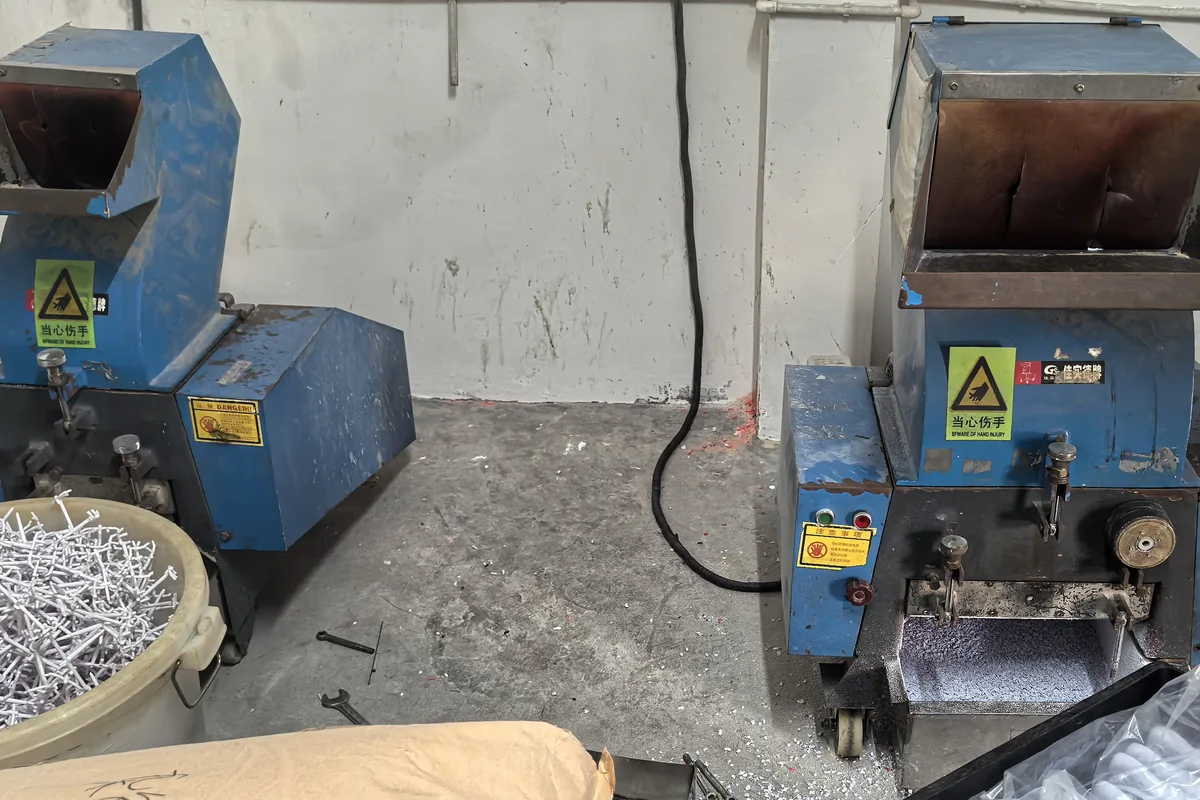
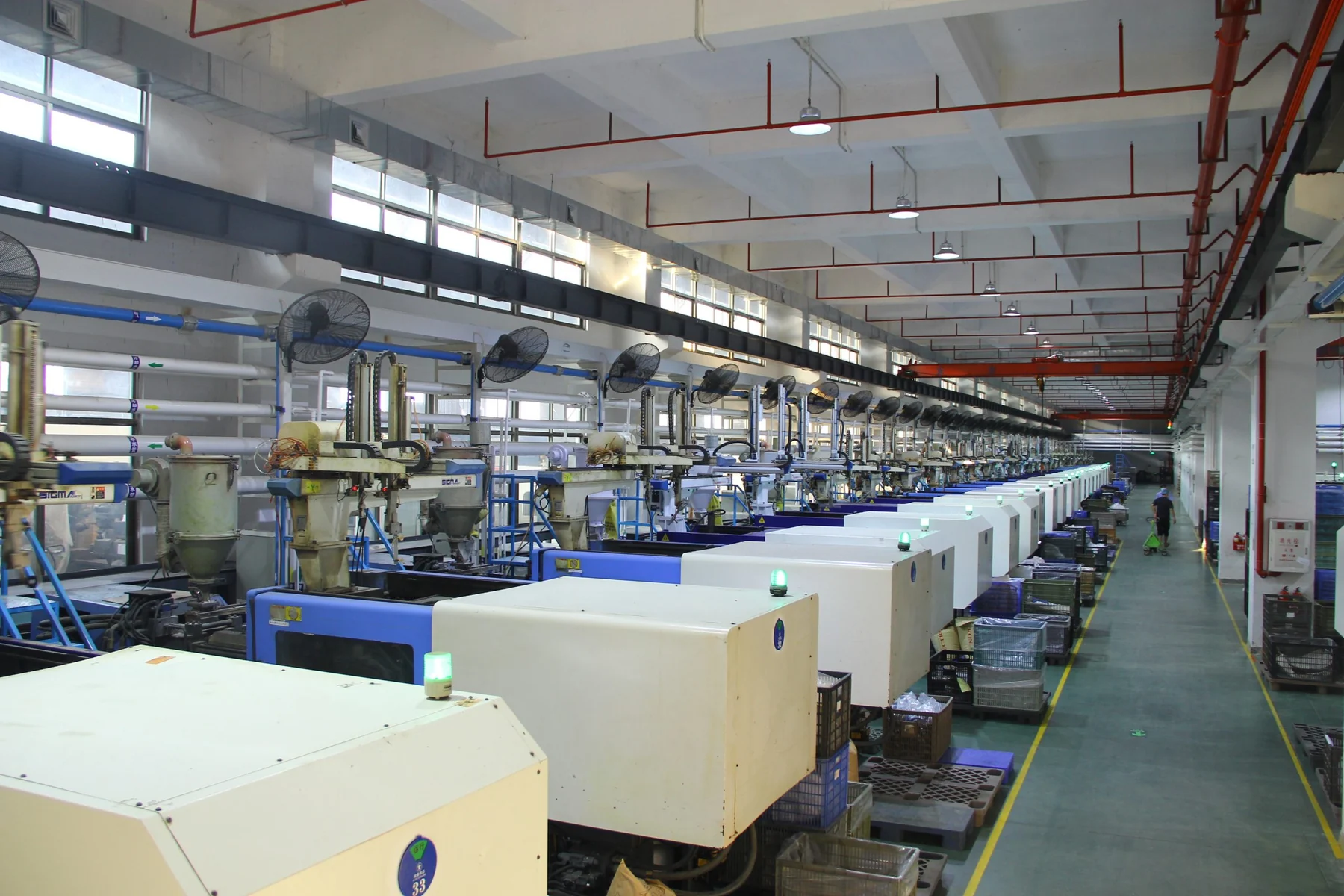
Plastic grinding equipment in KingDa’s workshop.

How Plastic Scrap Becomes Regrind

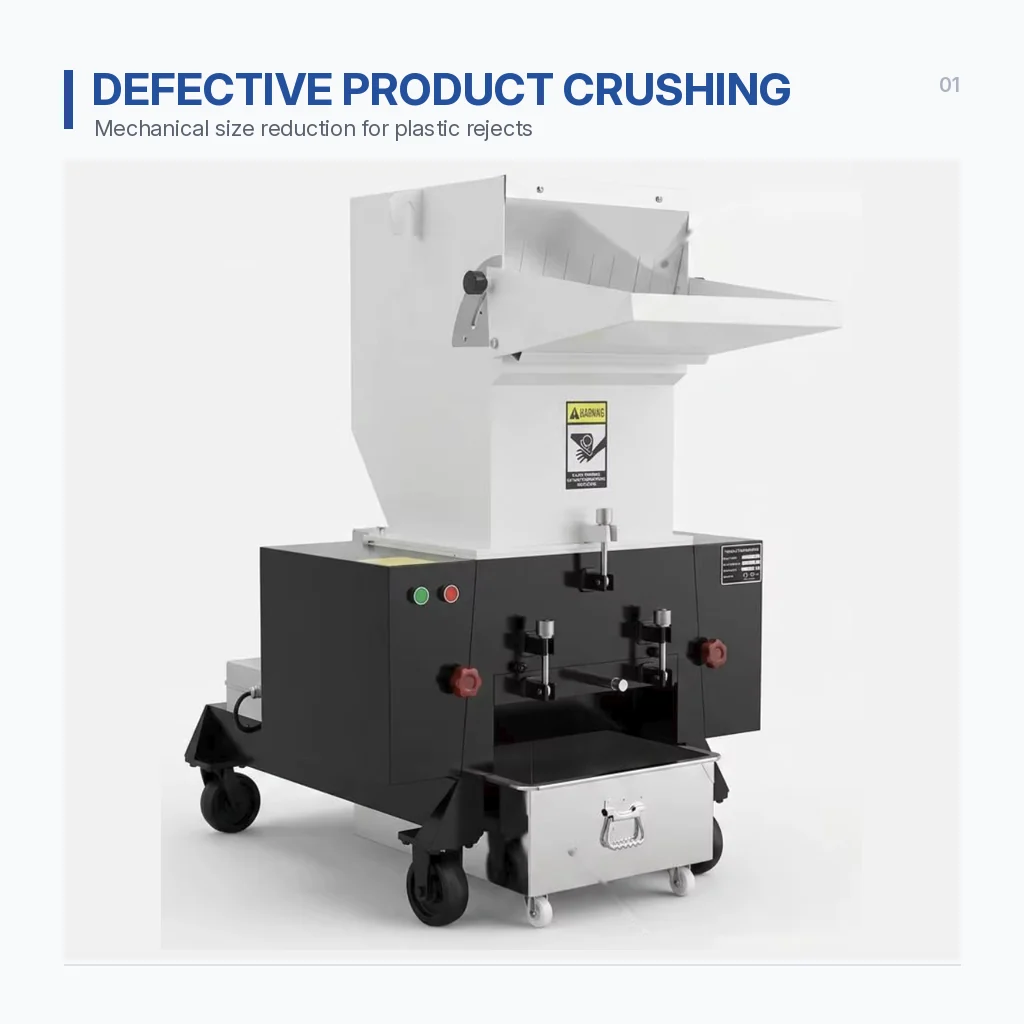
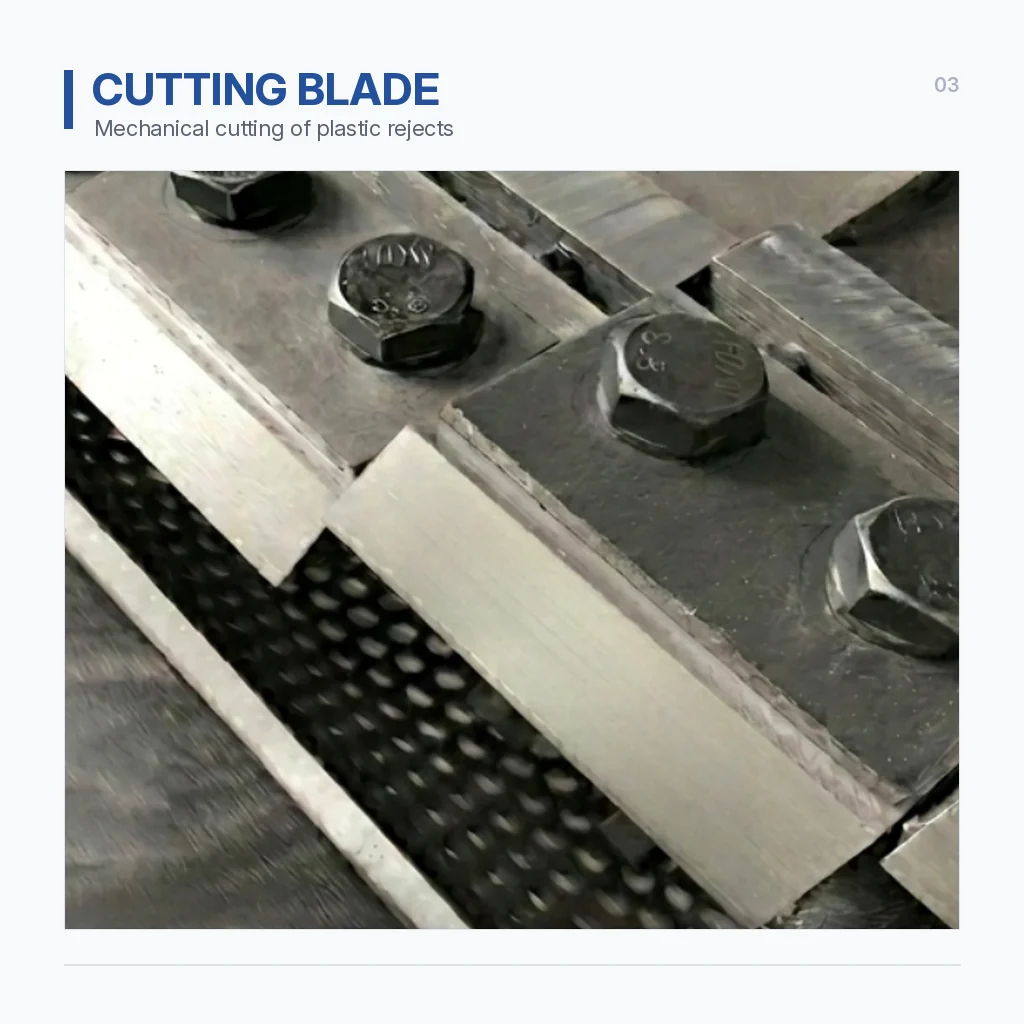
The workshop photograph shows our equipment. The process illustrations below explain the inputs, cutting action and resulting material.

01

Review the Plastic Scrap

Identify the selected rejected plastic parts or sprues/runners and the material source.

02

Grind Mechanically

Reduce the selected plastic scrap to smaller pieces using mechanical cutting.

03

Collect the Regrind

Collect the resulting flakes or regrind for review before any proposed reuse.

04

Assess Suitability

Check the material, part and order requirements and the supporting information.

05

Confirm Before Reuse

Use the regrind in production only when it meets project requirements and has been confirmed for the order.

Not all rejected parts or production scrap are suitable for reuse. Grinding changes the material’s size; the proposed reuse still needs to meet the part and order requirements.

Before Regrind Is Used Again

Material Identity & Source

Identify the resin and material source. Confirm which scrap belongs to the material reference being reviewed.

Material Condition

Review condition, foreign material and any separation needed for the proposed use.

Part Requirements

Review the agreed appearance, fit, functions and intended-use requirements for the part.

Agreed Use & Records

Confirm how the regrind may be used for the order, and keep the approval with the relevant material or sample reference.