OEM/ODM & Private Label · Toys & Small Electronics

Plastic Materials for Toys & Small Electronics

MATERIAL SELECTION

Start With What the Part Needs to Do

Start with the part’s shape, function, appearance and working conditions. For toys, collectibles and small electronics, these requirements guide the material discussion.

No material grade selected yet? Share the part requirements you know. We review material options with your team and confirm the resin grade, additives, color and manufacturing requirements for the specific part.

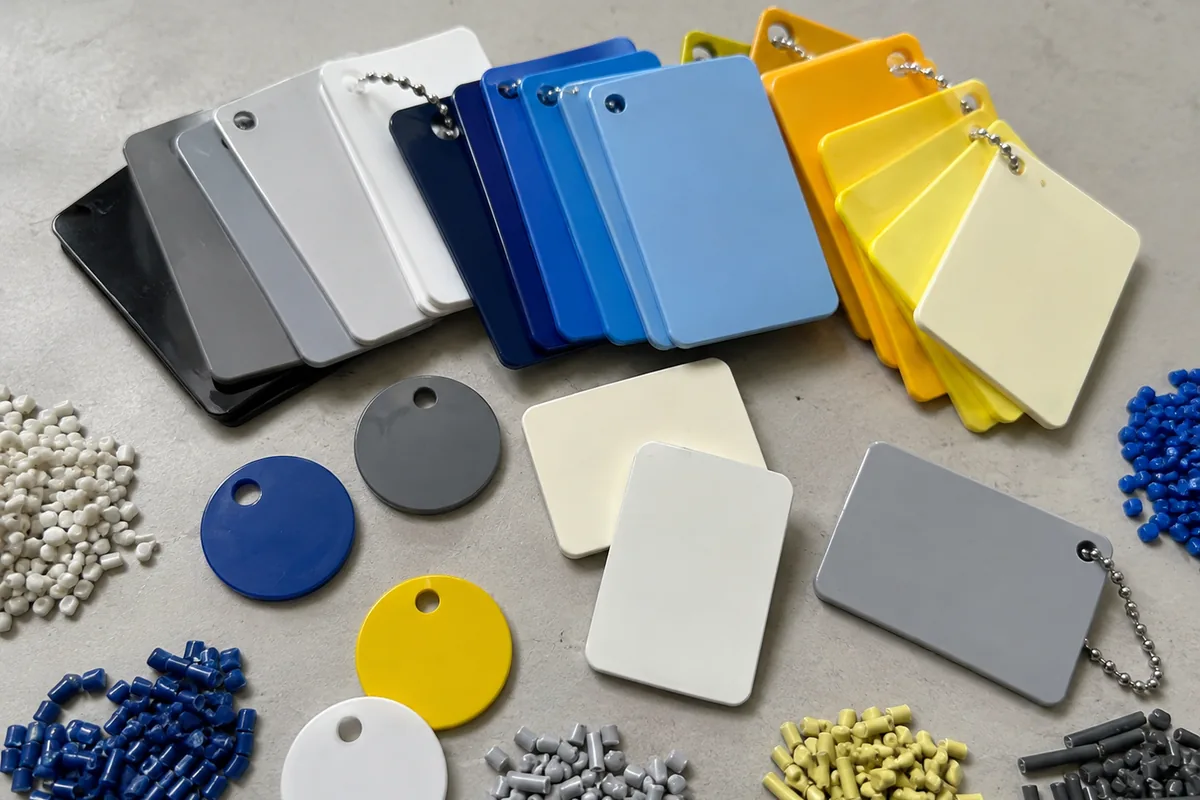
Plastic color sample plaques arranged beside colored pellets.

Color plaques and resin-pellet references.

Material Families to Discuss

Compare the part requirements first, then confirm a specific resin grade. Properties and application suitability vary by grade, additives and processing.

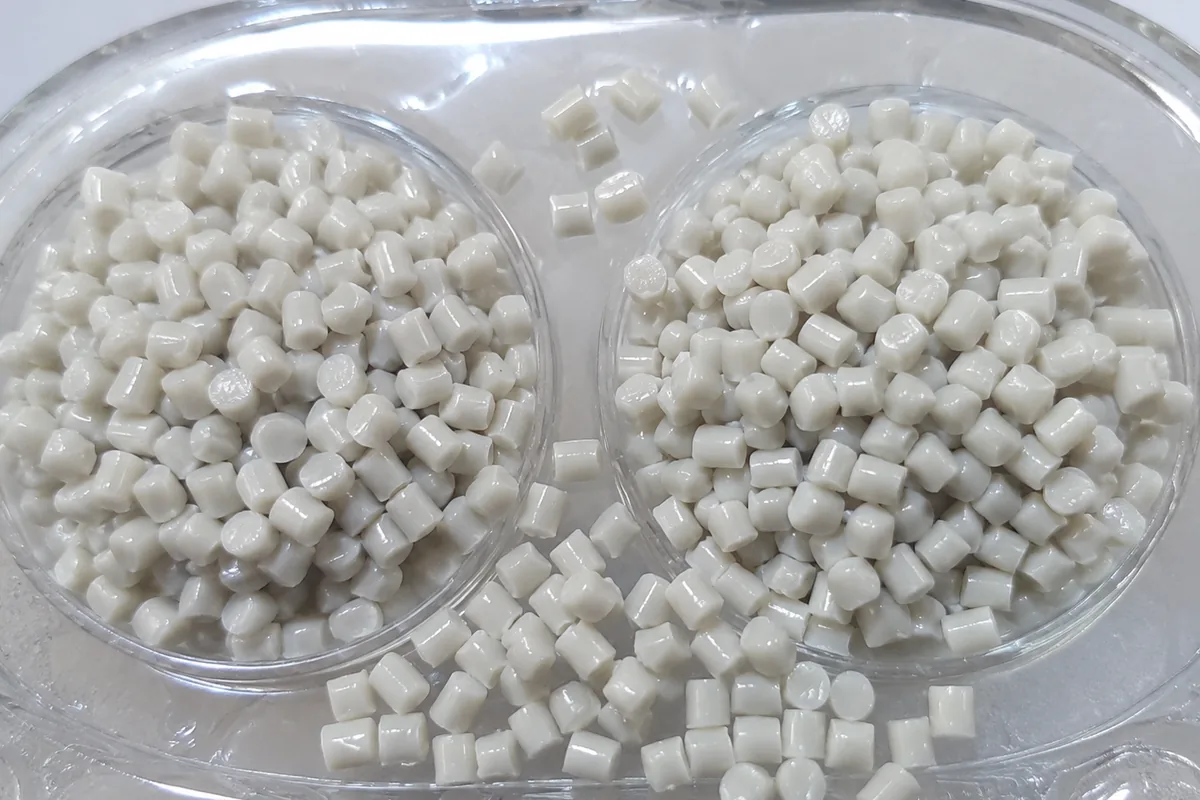
White plastic pellets in clear containers and scattered on a tabletop.

ABS

Rigid molded parts

ABS is an option for rigid molded housings and detailed parts that need a balance of stiffness and impact resistance.

Confirm for your part
Review the selected grade, impact and heat requirements, decoration and joining method.

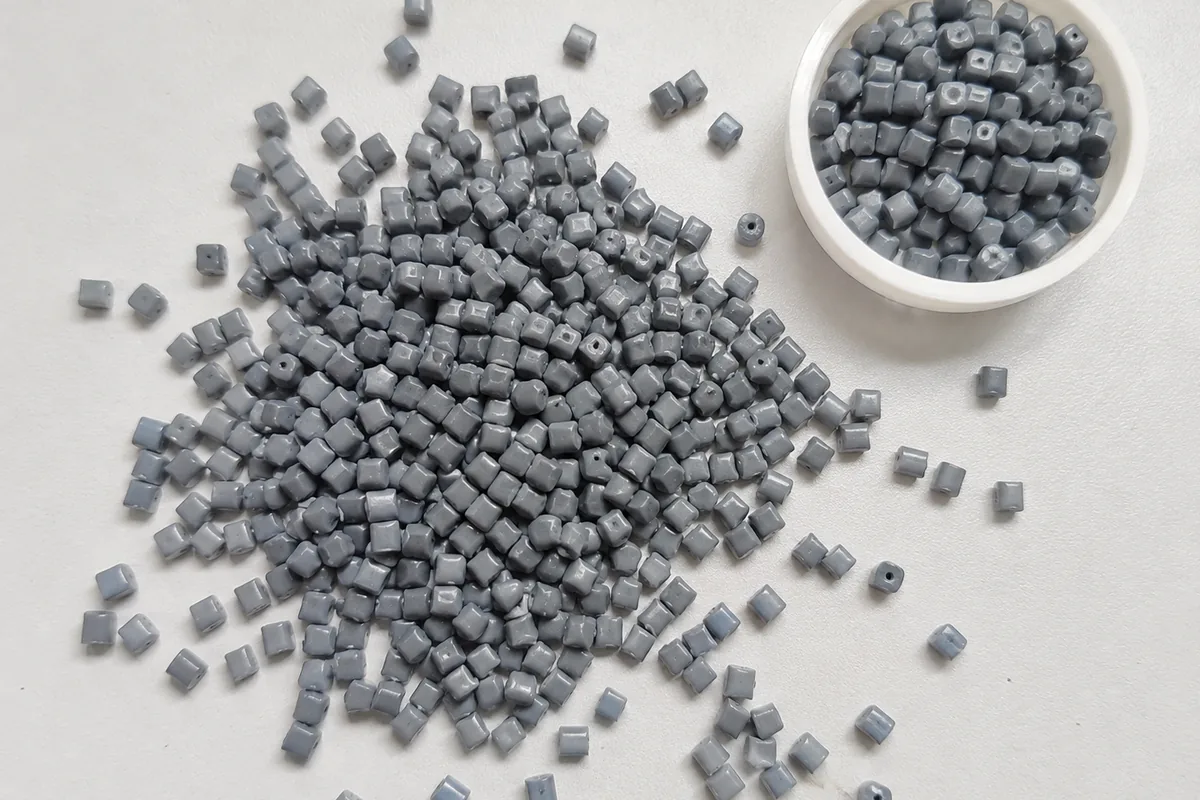
Gray plastic pellets scattered beside a white container.

PP

Lightweight molded parts

PP offers low weight and a range of stiffness and toughness options for molded components.

Confirm for your part
Review stiffness, repeated-flex requirements, part geometry and surface-treatment needs.

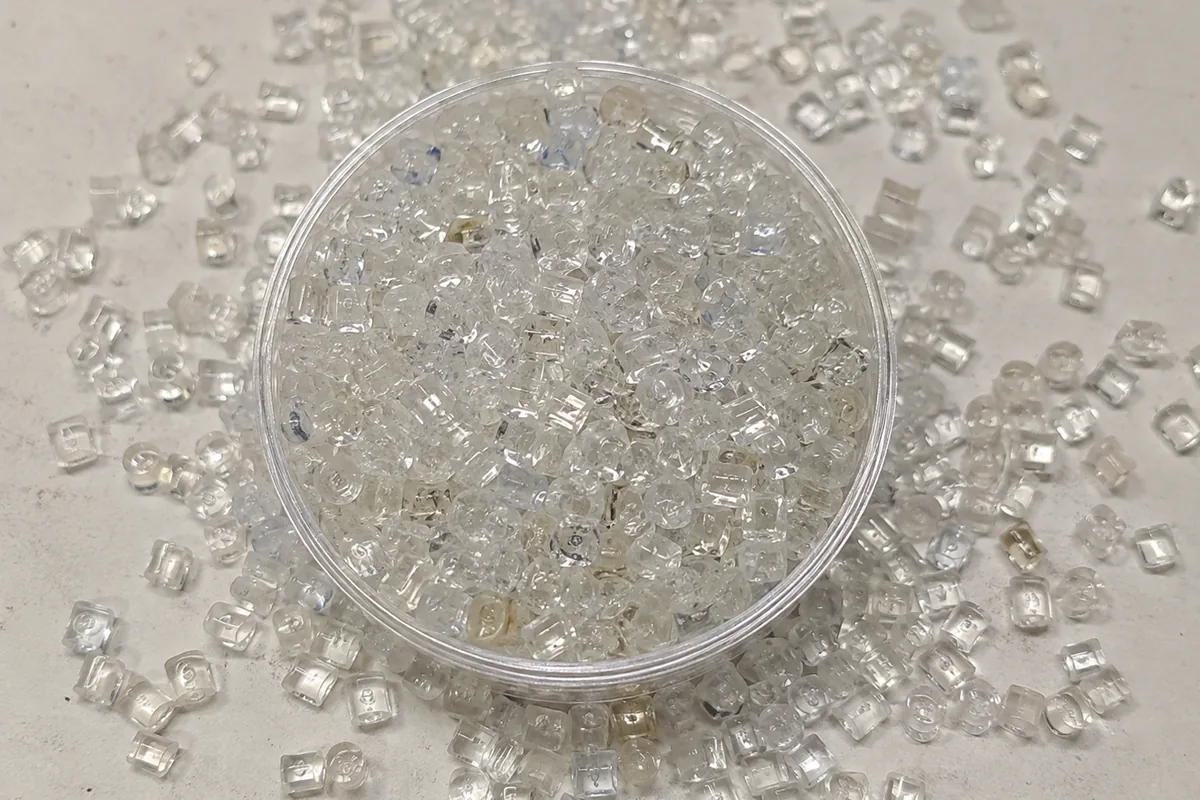
Clear plastic pellets in a transparent container and on a light surface.

PC

Clear components

Transparent PC grades can combine clarity and toughness for clear covers and other light-transmitting parts.

Confirm for your part
Review the optical requirement, operating temperature, surface finish and cleaning conditions.

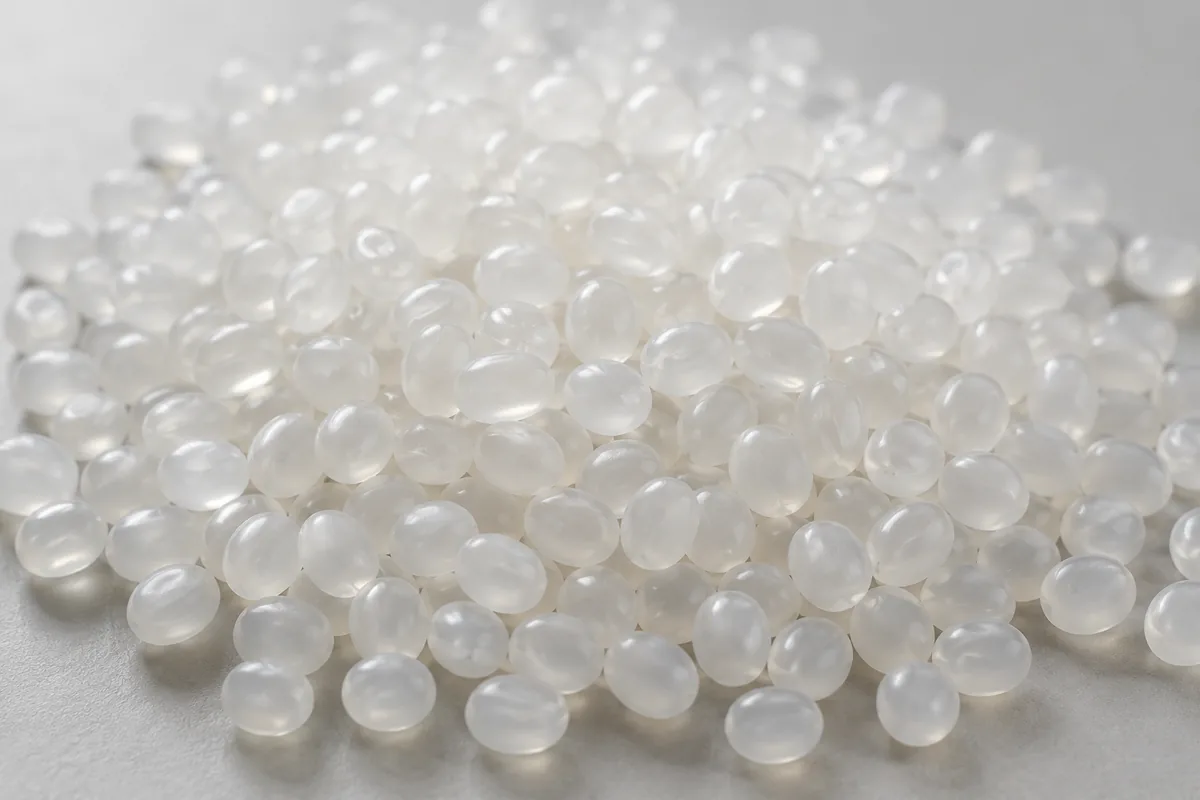
Translucent rounded plastic pellets on a light surface.

TPE

Soft-touch features

TPE grades provide flexible or soft-touch features, with selected compounds designed for overmolding onto compatible plastics.

Confirm for your part
Confirm hardness, feel, substrate compatibility and any intended skin, food or mouth contact.

Acrylic (PMMA) Product Projects

PMMA grades are an option for clear or decorative acrylic parts. Share whether the project involves a sheet-based component or a molded part, along with the required appearance, dimensions and use conditions.

For a transparent component, compare the selected material against the part’s clarity, impact and surface requirements.

Material-family references

These manufacturer references explain general material families and grade differences. The material grade and supplier for a KingDa project are confirmed separately.

Agree the Material Reference Before Production

01

Specify the Material

Record the resin supplier and grade, color reference and any required additives or recycled-content requirements.

02

Review the Part Sample

Check the agreed appearance, feel, fit and functions on the relevant part or sample. Record any changes that need review.

03

Keep the Approved Reference

Keep the agreed specification and sample reference with the order. Review material or color changes before the next production stage.

Match the Evidence to the Intended Use

A resin-family name alone does not establish suitability for the finished product. Review the material grade, colorants, coatings and intended use together with the relevant documents and tests.

Information for a project-specific material review
RequirementWhat to shareWhat to agree
User and contactWho will use the product, and whether the part contacts skin, food or the mouth.The selected grade, relevant supplier documents and product-specific test scope.
Loads and movementHow the part is held, joined, flexed or loaded during use.The part design, sample-review method and acceptance reference.
Heat and electrical useOperating conditions and any specific heat or flame-performance requirement.The exact grade, intended use and applicable evidence to review.
Color and environmentColor, finish, outdoor exposure, cleaning and any recycled-content requirement.Approved appearance references, material declarations and the agreed checks.