OEM/ODM & Private Label · Toys & Small Electronics
Home / Capabilities / Electronics Assembly
ELECTRONIC TOYS & SMALL ELECTRONICS
From electronic toy functions to fans, lighting and compact appliances, confirm how the modules, enclosure and controls work together.
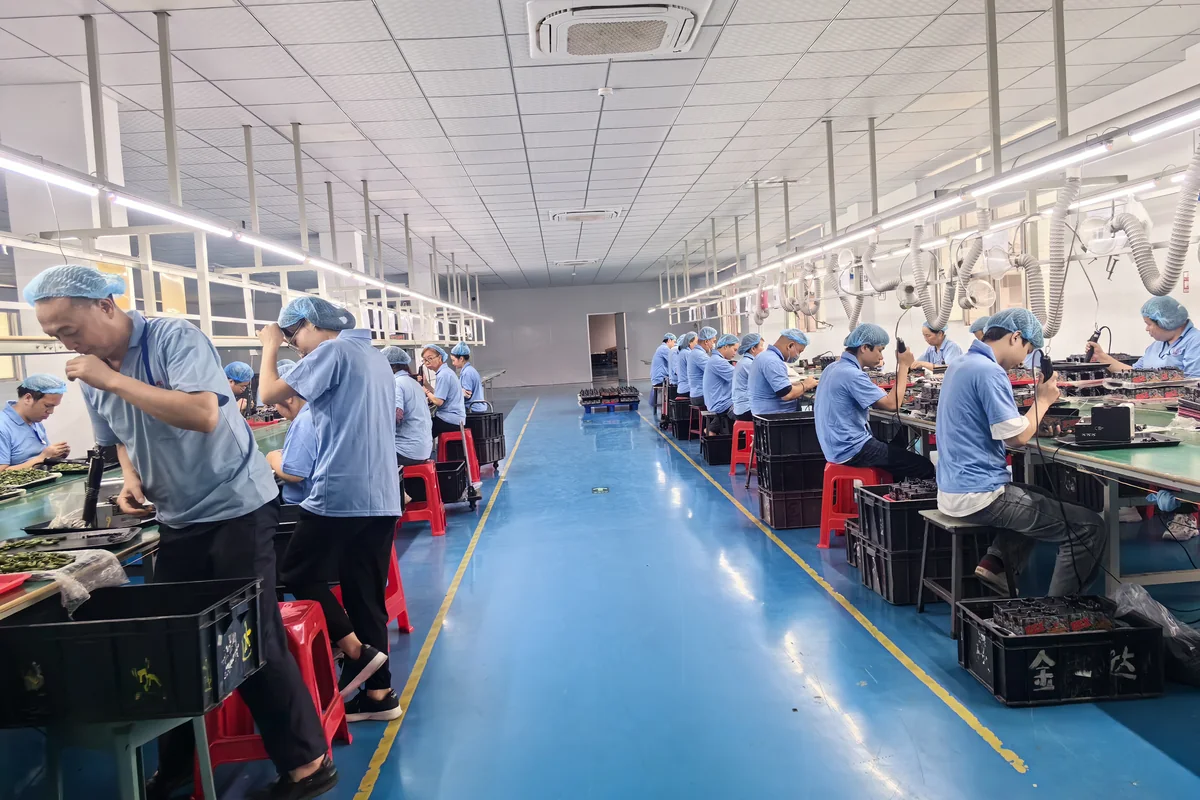
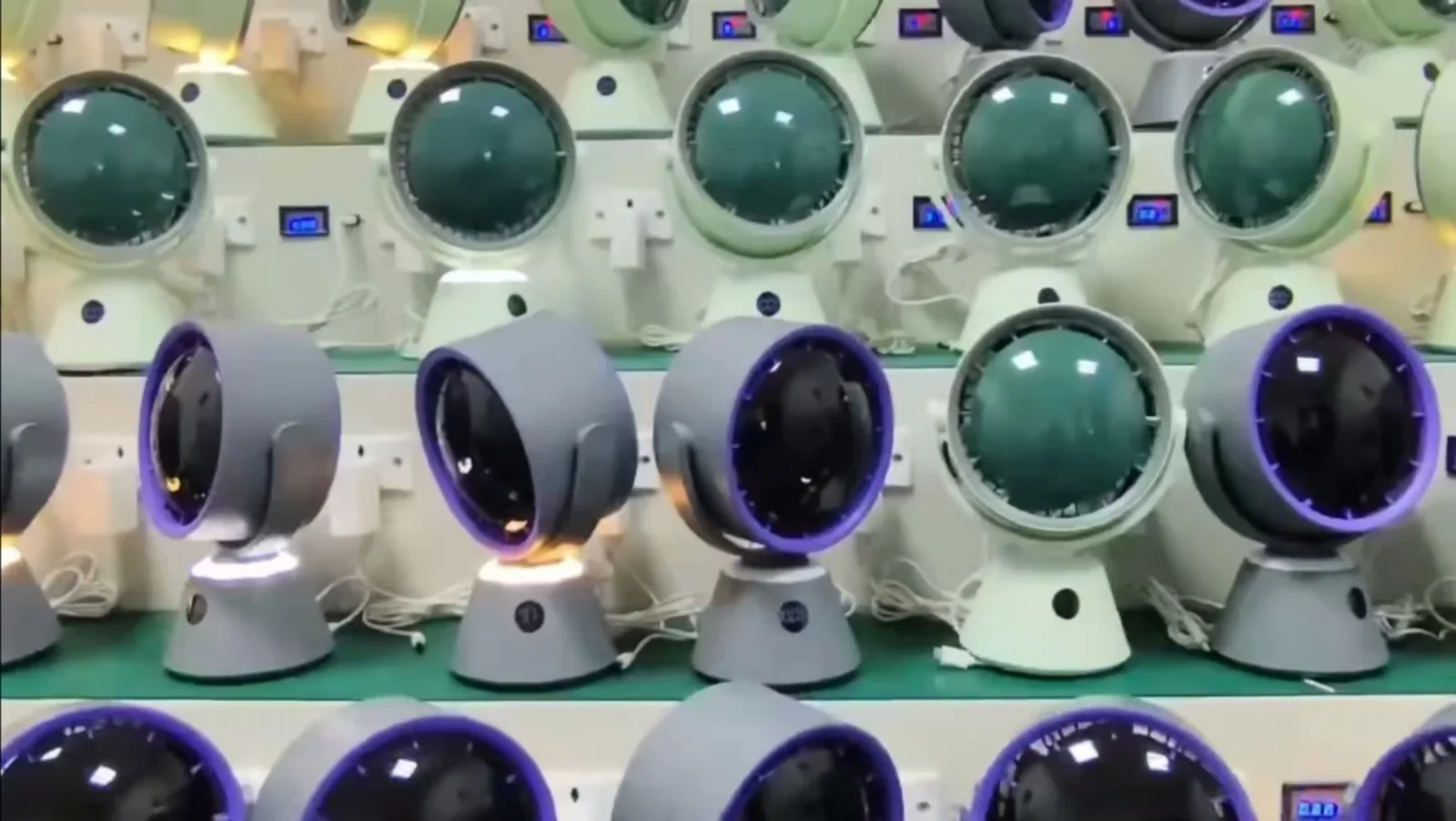
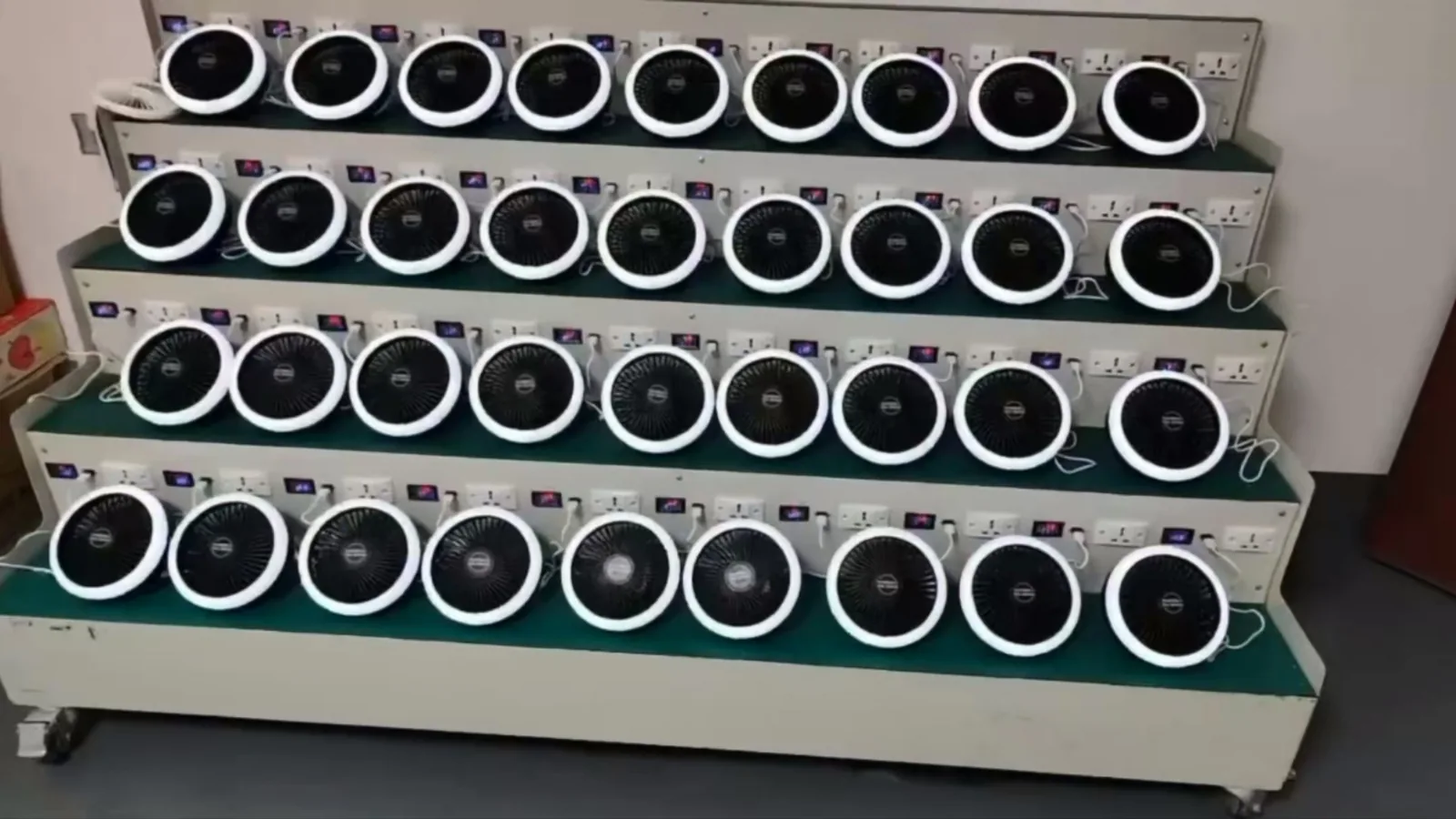
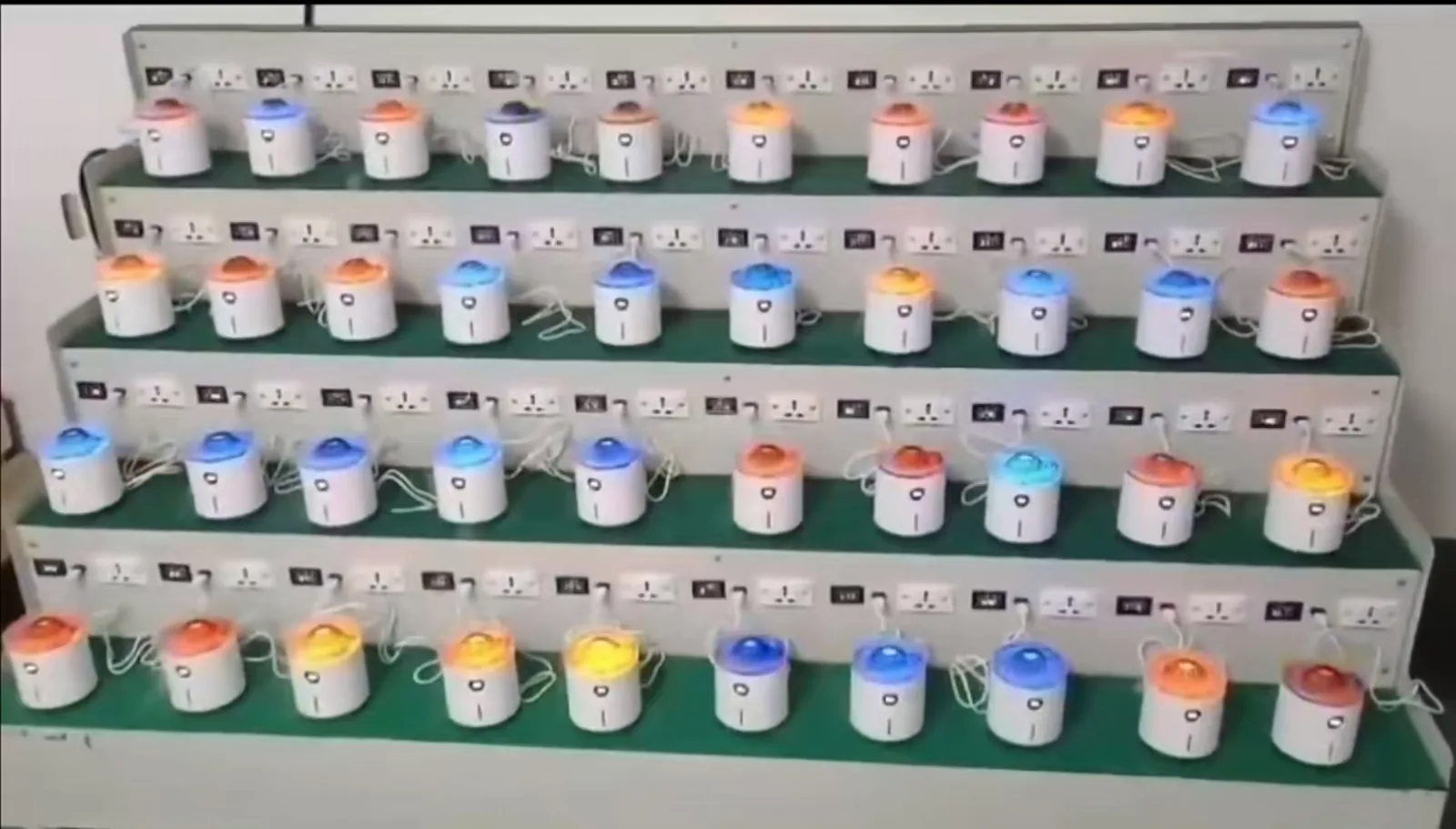
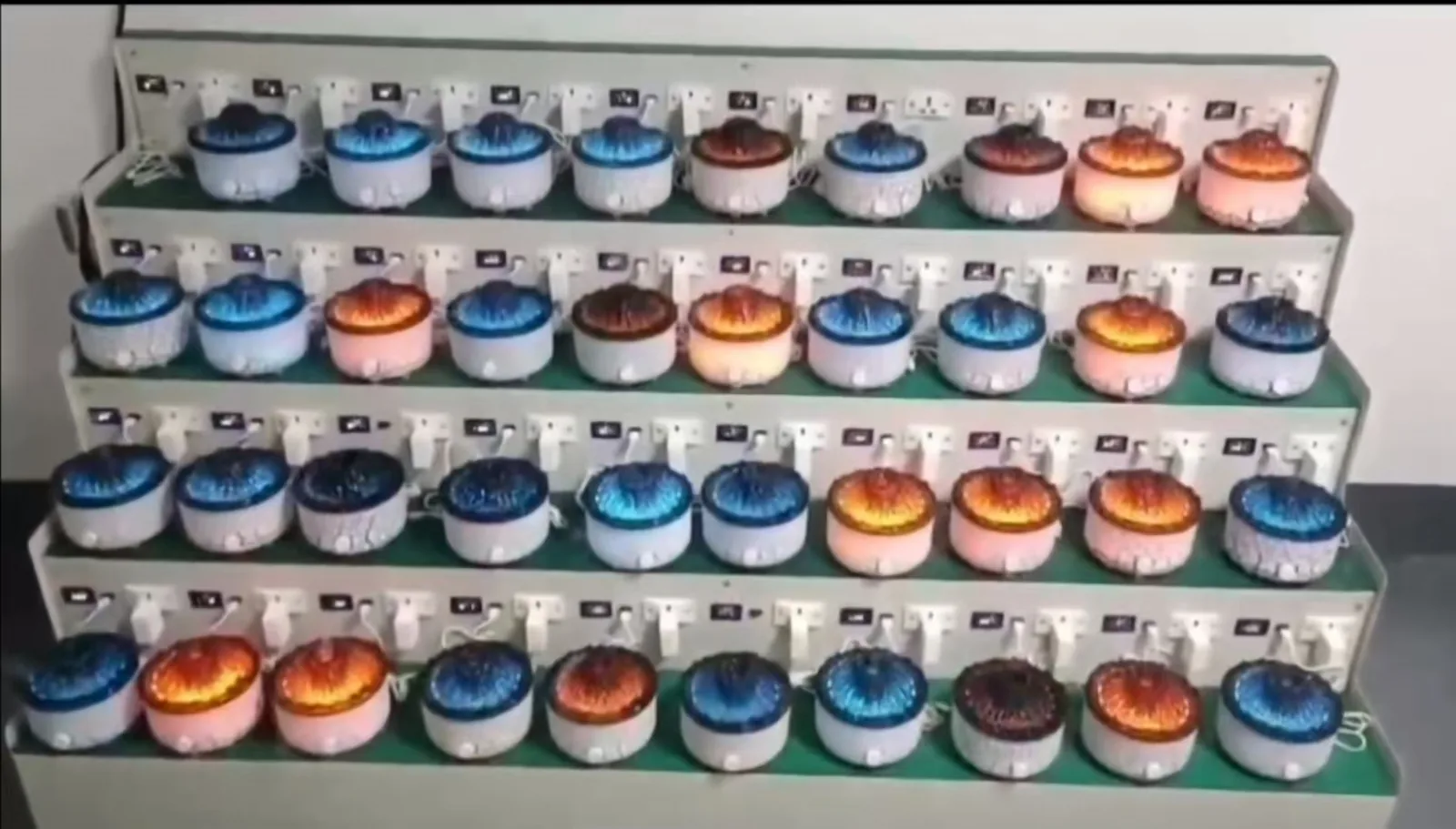
KingDa coordinates assembly and agreed functional checks with the relevant manufacturing team, including our equity-affiliated factories for small-electronics programs.
A clear configuration connects the parts being assembled with the behavior the finished product needs to demonstrate.
| Assembly Area | What to Confirm | Useful Starting Information |
|---|---|---|
| Electronic Modules | What to ConfirmBoard or module references, connection points and the functions to integrate. | Useful Starting InformationAvailable module information, drawings or an existing sample. |
| Power & Charging | What to ConfirmThe specified power arrangement, connectors and charging behavior where applicable. | Useful Starting InformationPower-source and accessory information for the selected configuration. |
| Controls & Outputs | What to ConfirmButton or remote commands, operating modes and the expected product response. | Useful Starting InformationA function list and a sample or product reference. |
| Housing & Assembly | What to ConfirmComponent mounting, wire routing, control access and mating-part fit. | Useful Starting InformationEnclosure drawings, assembly references or mating components. |
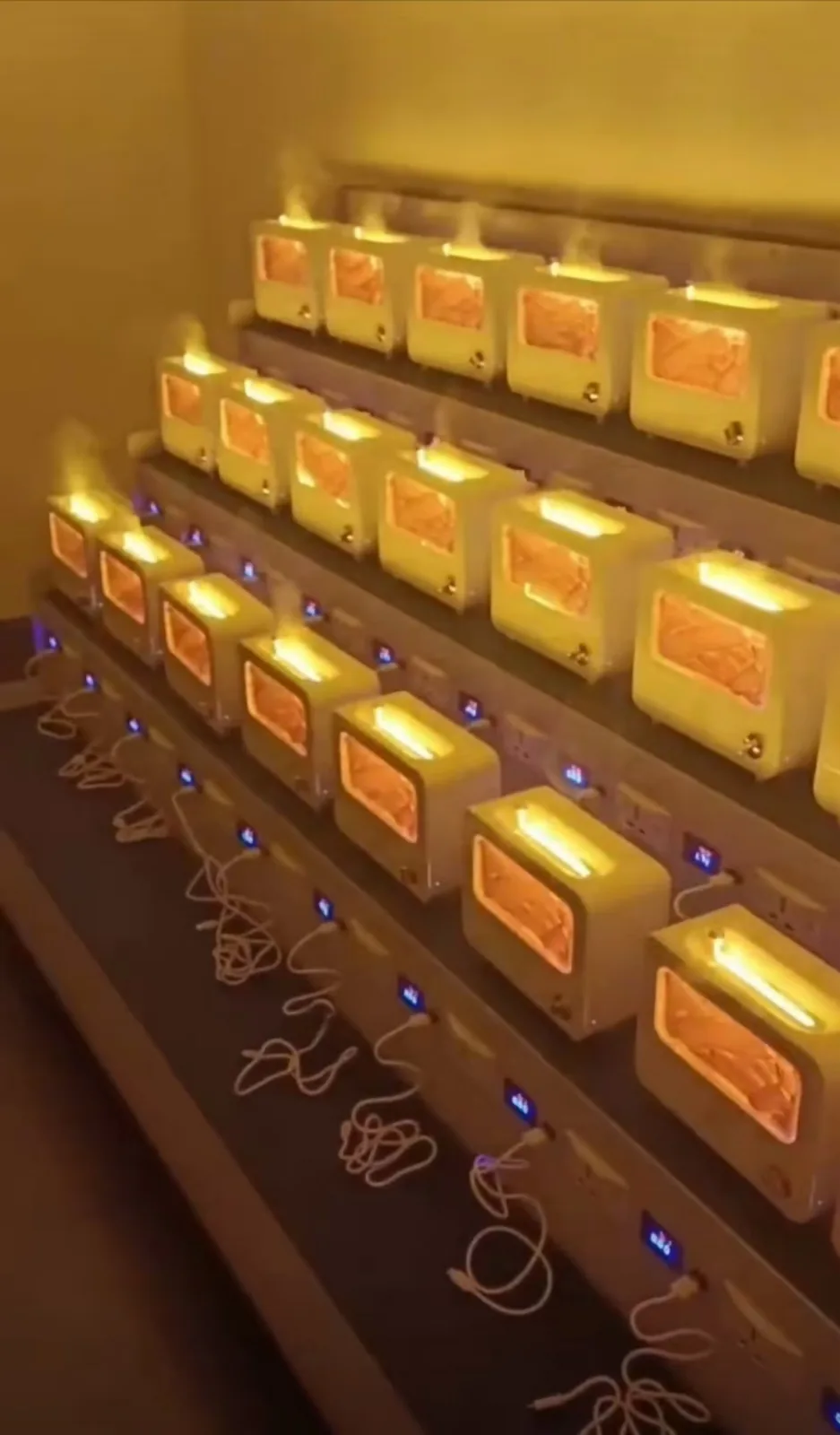
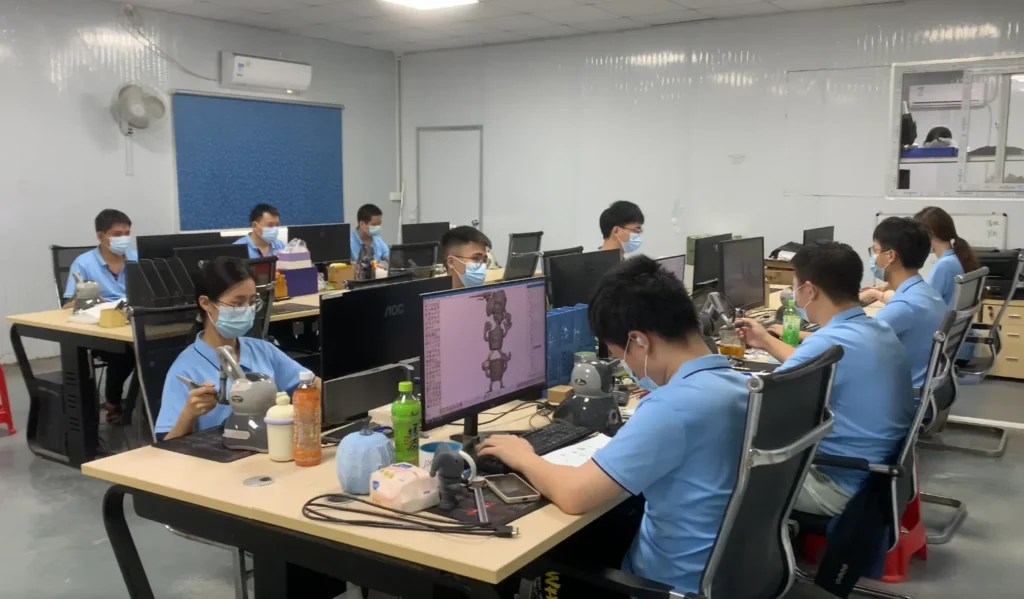
Assembly follows the agreed product configuration, approved references and work instructions. Check items are selected for the product.
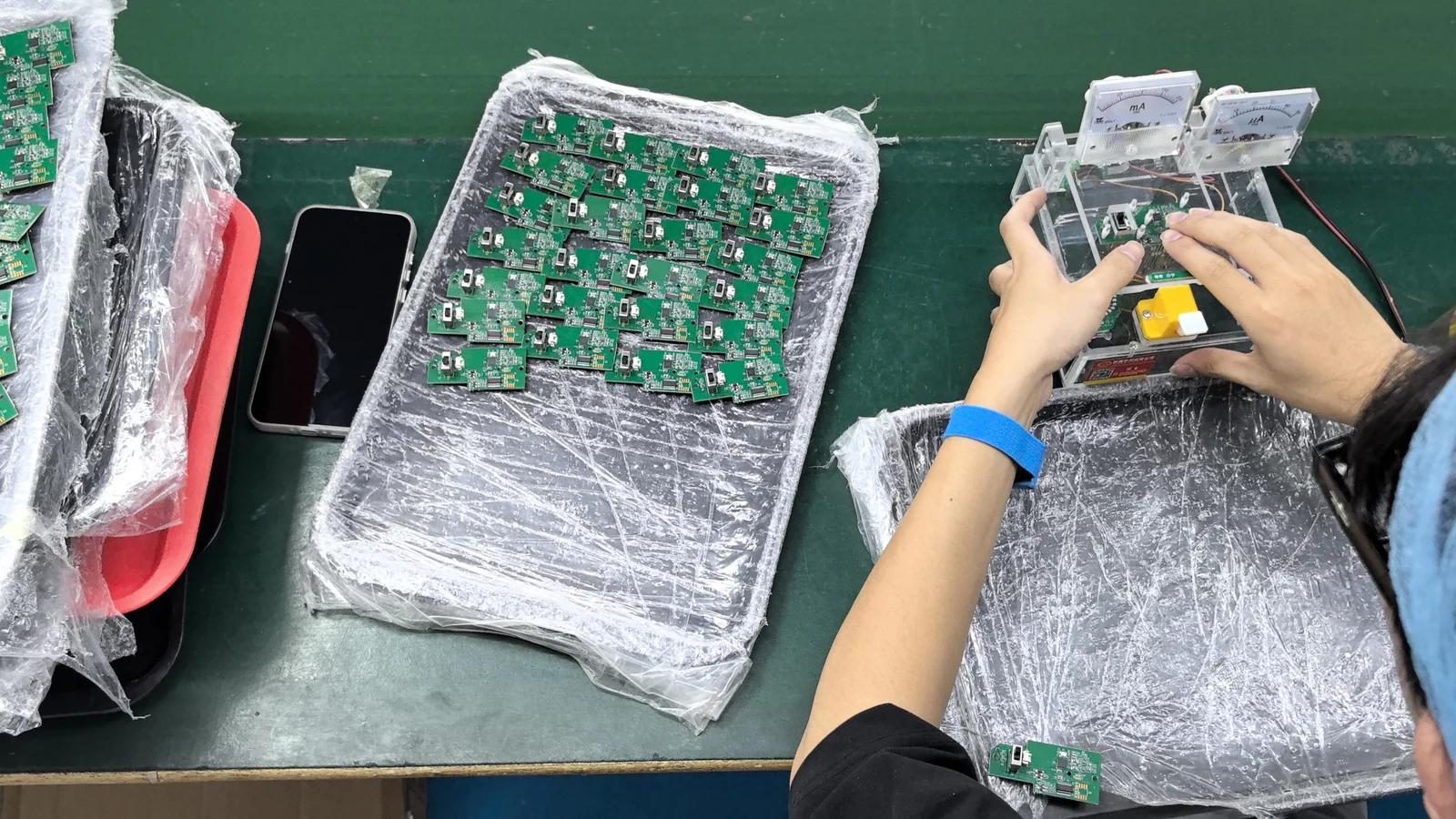
Review the board or module reference, connection requirements and relevant electrical response for the agreed configuration.
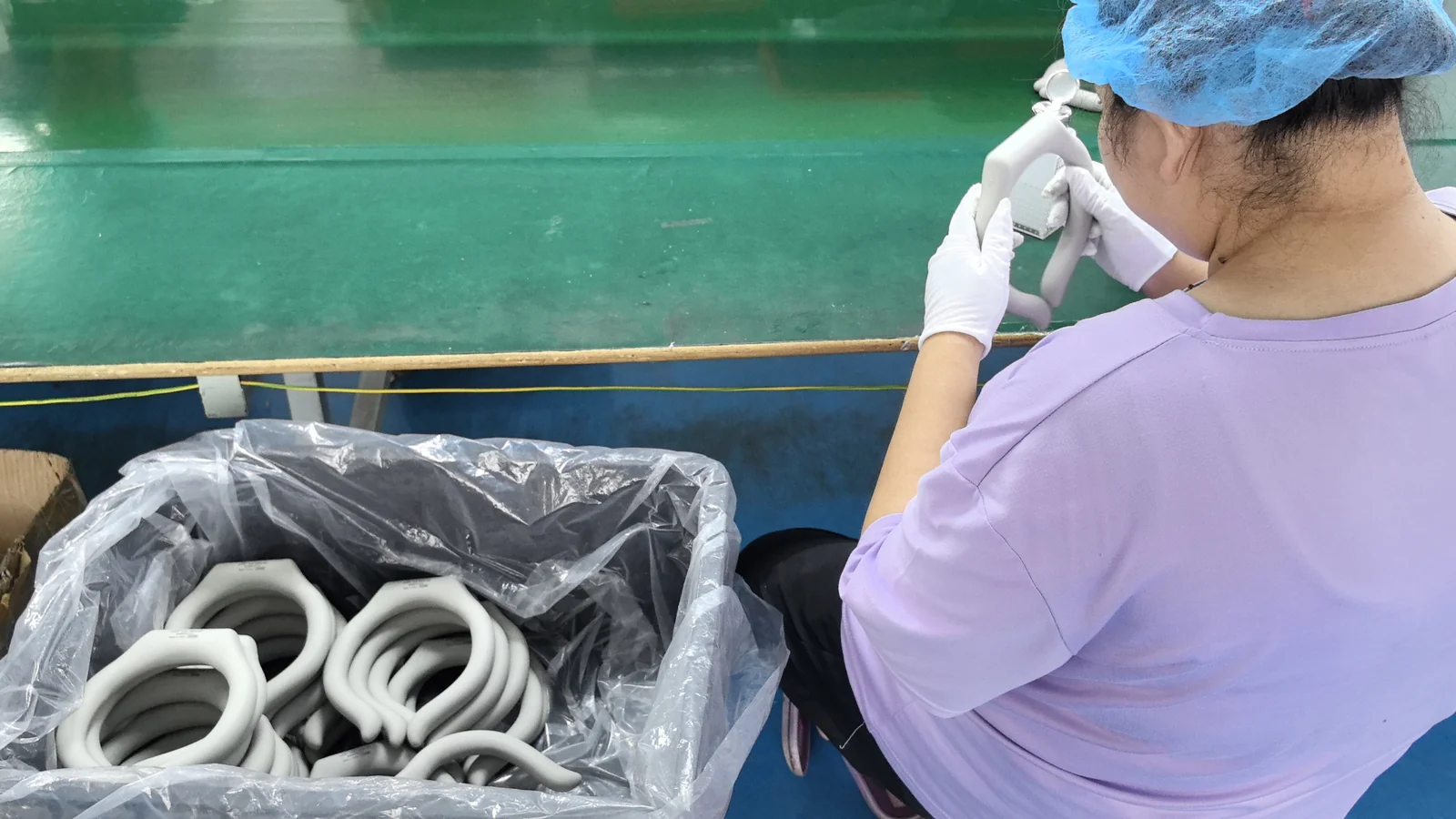
Review component fit, fastening, control access and the assembled appearance against the approved reference.
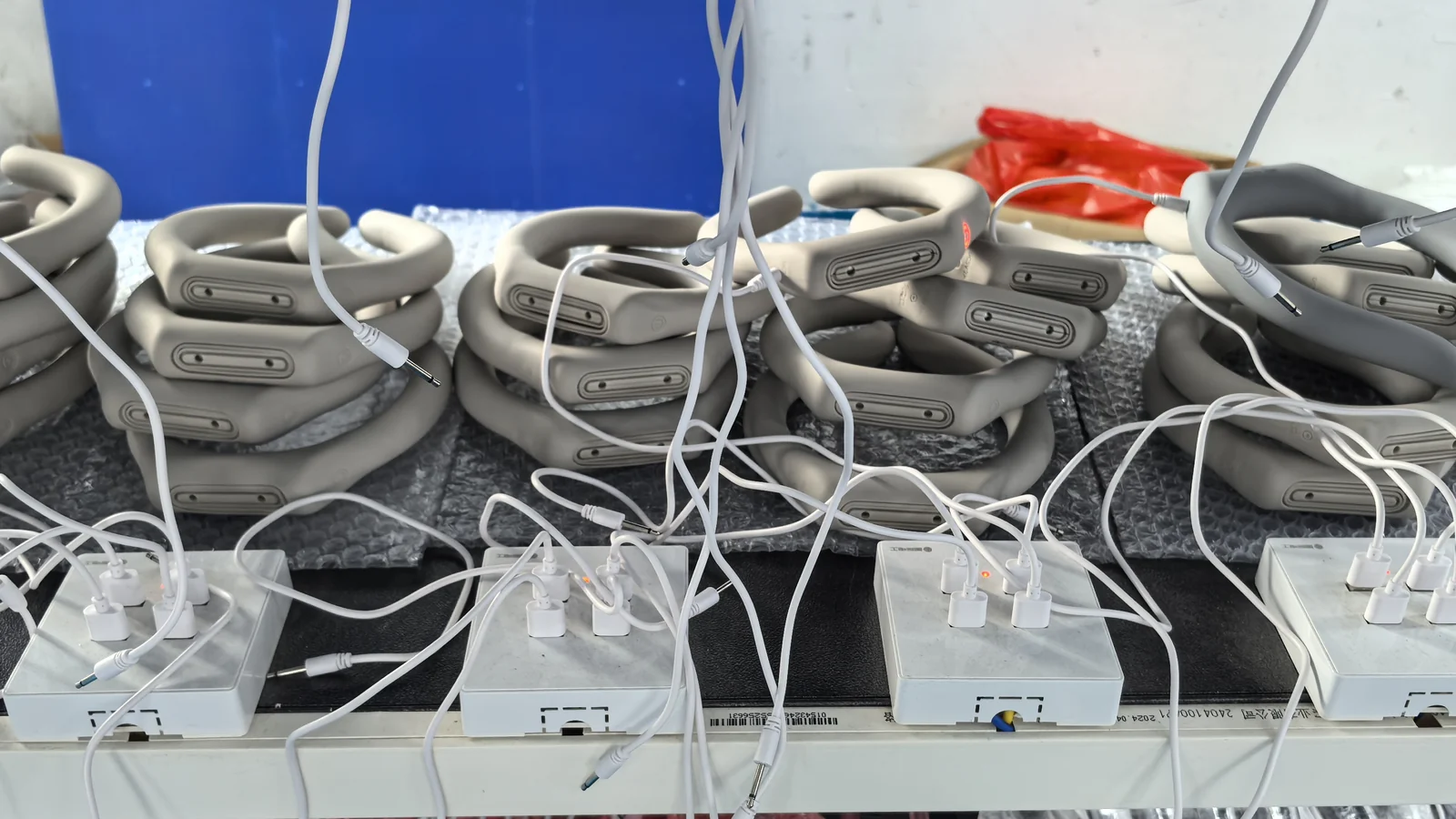
The product determines the check setup. Agree the operating conditions, review duration and acceptance criteria for the order.
Use a product or model reference to explain the controls, outputs and operating behavior you want to review.
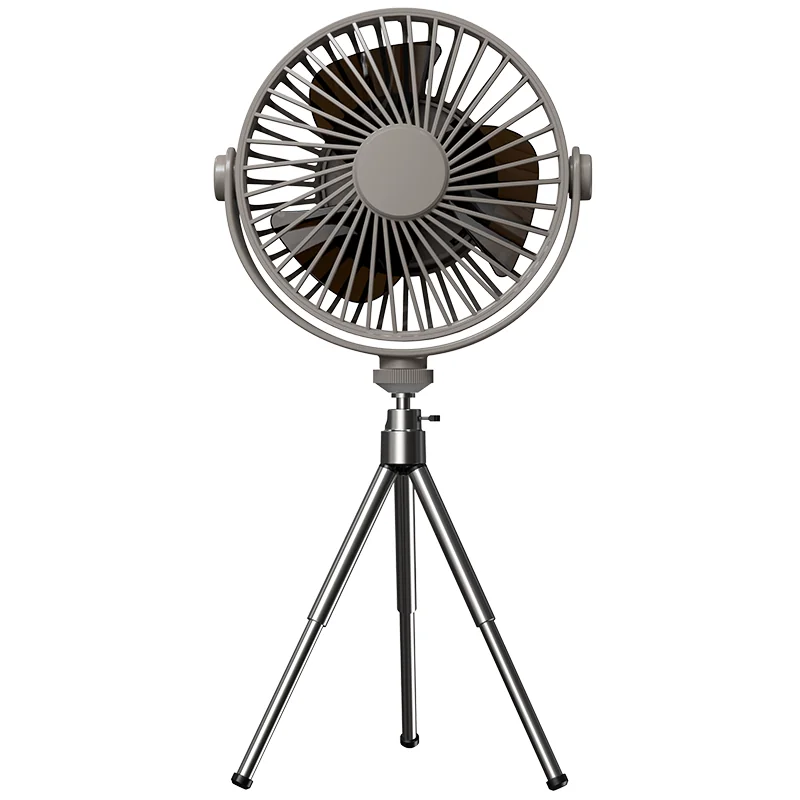
926B tripod camping fan
Review fan modes, remote-control response and the selected power configuration.
LED star projector & sound machine
Review the lighting and sound controls, mode changes and power connection.
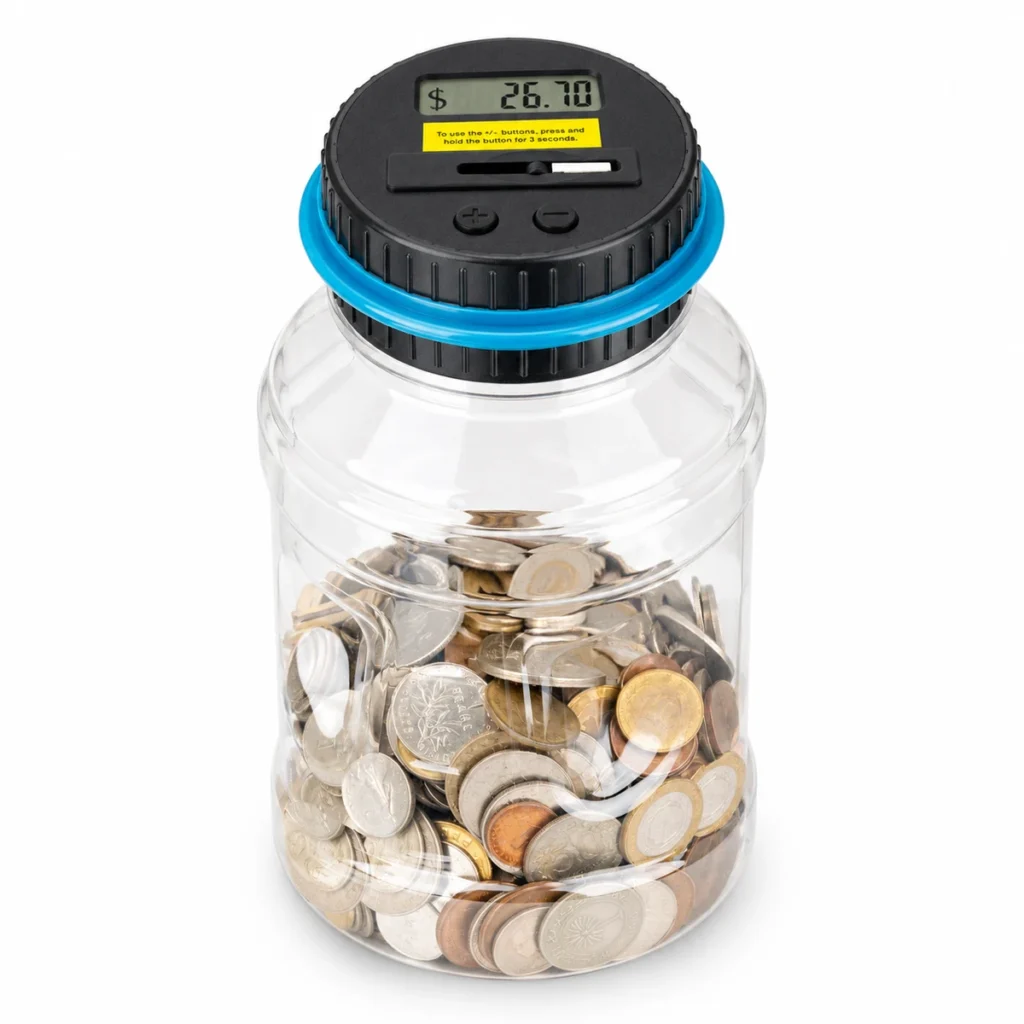
Digital coin-counting piggy bank
Confirm counting and display behavior for the selected currency version.
01
Identify the parts, controls and functions that belong to the selected product version.
02
Use the working sample to review fit, operation and the agreed changes.
03
Carry the approved reference and relevant checks into batch assembly and inspection.
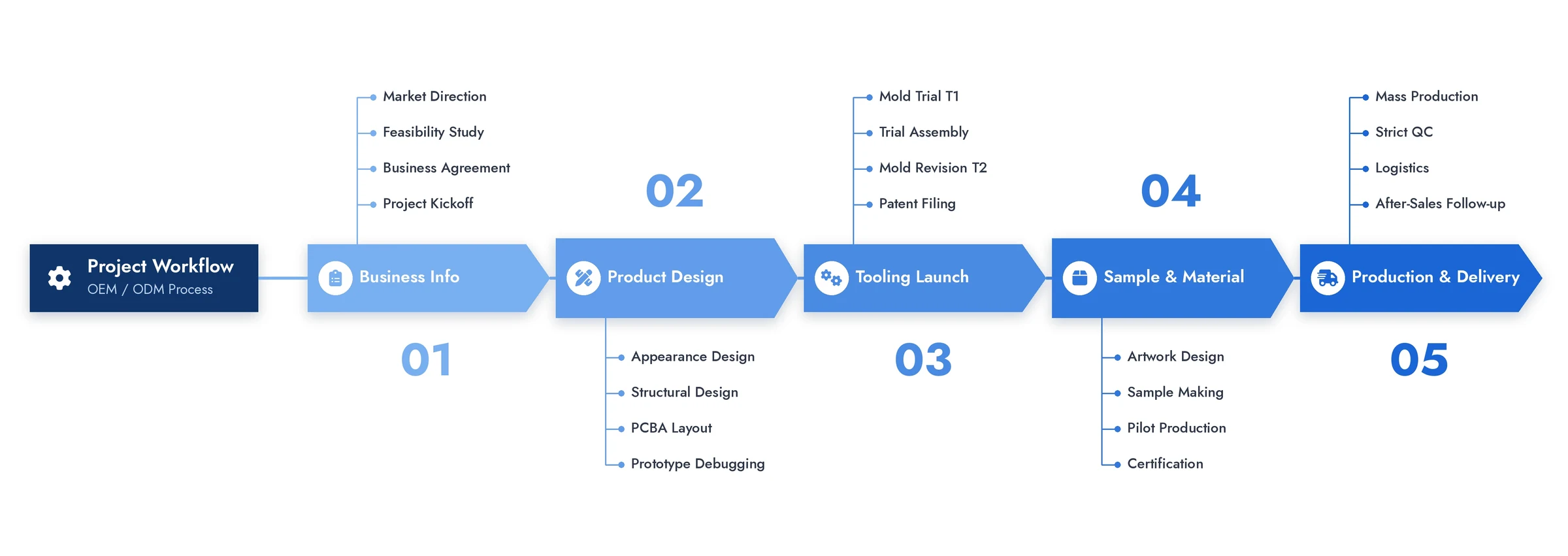
An existing-model program can start with an approved configuration. A development project may need earlier design and sample reviews. Select the stages that fit the project scope.
Use the agreed product reference, check items and inspection conditions for the order. The supplied QC reference covers defect categories, sampling criteria and visual inspection conditions.
Customer-specific requirements take priority. Confirm the applicable criteria before the inspection plan is used.
Start with the model and the functions the assembled product needs to demonstrate. Share the information you already have.
Use a model or sample to explain the configuration and functions you need.
Review the structure and sample requirements before confirming the assembly configuration.
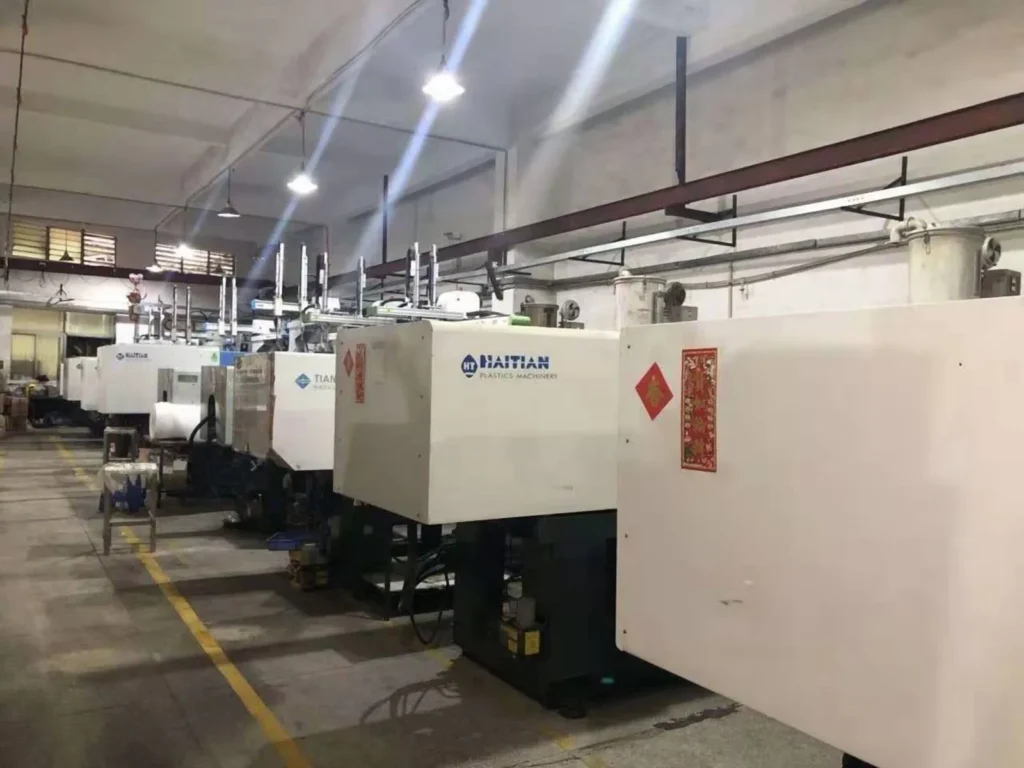
Connect enclosure and component-fit requirements with the molding review.
Confirm packing information and collection requirements for the completed order.